Most Popular Tests All Tests 180+ markers
Home Visits Clinic Appointments Blood Letting TRT Monitoring NutriCheck Consultations Subscriptions
All Partners Gyms Practitioners Soon Affiliates Soon Corporate Soon Partner Login
About Us How It Works Information Hub Contact Us
Find My Test My Account
Search tests & biomarkers
ESC to close

Signs of Low Testosterone in Men

Signs of Low Testosterone in Men (And What to Do About It)

Introduction

Low testosterone is more common than most men realise — and it often goes undiagnosed for years. Many men assume symptoms like fatigue, weight gain, or low mood are just part of ageing or stress.

But in many cases, low testosterone (Low T) is the underlying cause.

Understanding the signs early can help you take control of your health, energy, and performance.


Common Signs of Low Testosterone

1. Constant Fatigue

Feeling tired even after a full night’s sleep is one of the most common symptoms. Testosterone plays a key role in energy production.

2. Low Libido

A noticeable drop in sex drive is often one of the first signs men experience.

3. Brain Fog & Poor Focus

Struggling to concentrate or feeling mentally “slower” can be linked to hormonal imbalance.

4. Increased Body Fat

Particularly around the abdomen — testosterone helps regulate fat distribution.

5. Loss of Muscle Mass

Even with training, you may find it harder to build or maintain muscle.

6. Low Mood or Irritability

Hormones directly impact mood regulation — low testosterone can contribute to anxiety or depression.


Why These Symptoms Are Often Missed

Many of these symptoms overlap with stress, poor sleep, or lifestyle factors — so testosterone is rarely checked early.

That’s the problem.

By the time most men test their levels, they’ve often been struggling for months (or years).


What Causes Low Testosterone?

  • Age-related decline

  • Chronic stress

  • Poor sleep

  • Excess body fat

  • Certain medications

  • Underlying health conditions


When Should You Get Tested?

If you’re experiencing 2 or more of these symptoms, it’s worth checking your levels.

Early testing allows you to:

  • Understand your baseline

  • Catch issues before they worsen

  • Take action with the right support


What Happens After Testing?

Testing is just the first step — what matters is what happens next.

With the right service, you should receive:

  • A clear explanation of your results

  • Personalised advice

  • Access to treatment options if needed


Take Control of Your Health

Our £49 Testosterone & Oestradiol Eligibility Test includes:

  • Total Testosterone

  • Free Testosterone

  • Oestradiol (E2)

  • AI-powered health report

  • Free consultation with a specialist

👉 Designed to give you answers — not just numbers

Buy Now and Start your new Journey. 


Conclusion

Low testosterone can impact every area of your life — from energy and confidence to long-term health.

The key is simple:
Don’t guess. Test.

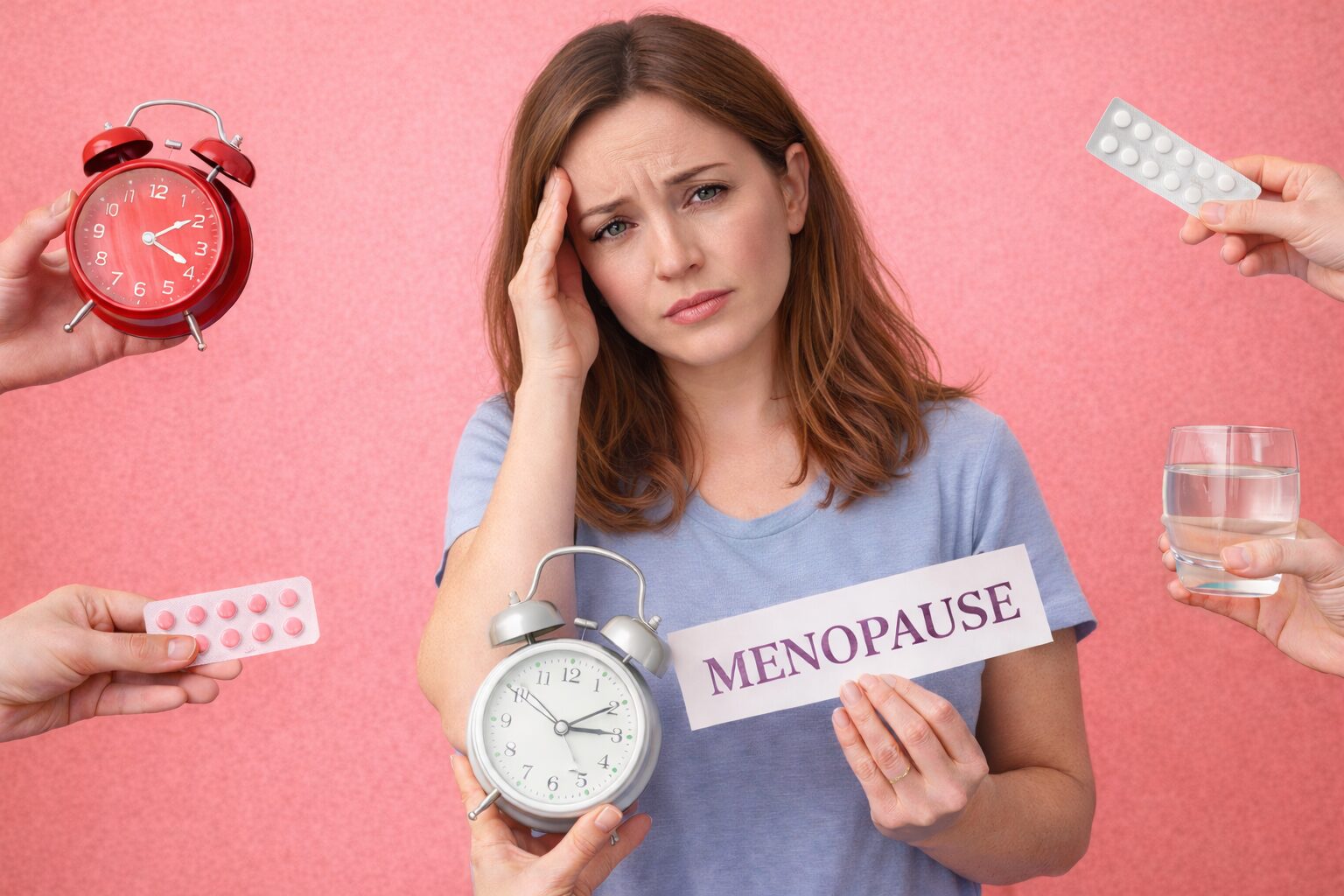
Menopause: Symptoms, Stages, and Practical Solutions for Every Phase

Menopause is a natural biological transition, not a disease. Yet for many women it feels confusing, disruptive, and sometimes overwhelming. Hormonal shifts affect the brain, metabolism, sleep, mood, and cardiovascular system. If you are wondering about menopause, how long does it last, why hot flashes after menopause still happen, or whether symptoms of perimenopause at 44 are normal, this guide provides clear, evidence-based answers.

This blog is for women in their 30s, 40s, and 50s who want medically sound information, practical symptom management strategies, and guidance on when to seek professional support. It is also helpful for partners who want to understand men and menopause from a supportive perspective.

What Is Menopause

Menopause marks the point when you have not had a menstrual period for 12 consecutive months. The average age in the UK is 51. However, hormonal changes begin years earlier.

Clinically, menopause is divided into 3 stages:

  1. Perimenopause 
  2. Menopause 
  3. Post menopausal stage 

Understanding these stages of menopause helps you anticipate symptoms and respond early.

Stages of Menopause

1. Perimenopause

Perimenopause usually begins in the early to mid 40s, though some women notice signs earlier. Symptoms of perimenopause at 44 are extremely common and may include:

  • Irregular cycles 
  • Heavy or lighter bleeding 
  • Mood changes 
  • Sleep disturbance 
  • Night sweats 
  • Brain fog 
  • Headaches 

Oestrogen fluctuates unpredictably during this phase. That hormonal instability explains why symptoms can feel intense and inconsistent.

Signs of early menopause at 35 may indicate premature ovarian insufficiency. If periods stop before age 40, seek medical evaluation promptly.

2. Menopause

Menopause itself is a single point in time. It is confirmed after 12 months without a period. Hormone levels stabilize at lower levels after this point.

3. Post Menopausal Stage

Post menopausal refers to the years after menopause. Many symptoms improve, but some persist. Post menopausal symptoms may include:

  • Vaginal dryness 
  • Reduced libido 
  • Joint stiffness 
  • Urinary changes 
  • Ongoing hot flashes 

Understanding that post menopausal symptoms can continue helps set realistic expectations.

Menopause How Long Does It Last

Many women ask menopause how long it lasts. The answer depends on the stage.

  • Perimenopause can last 4 to 8 years 
  • Vasomotor symptoms such as hot flashes often last 7 years on average 
  • Some women experience symptoms for more than 10 years 

Hot flashes after menopause are not unusual. Around 30 percent of women report persistent flushing years after their final period.

Duration varies due to genetics, body composition, stress levels, and overall health.

Common Symptoms at Different Ages

Symptoms of Menopause at 52

At 52, many women are in early post menopausal years. Symptoms may include:

  • Reduced energy 
  • Sleep disruption 
  • Weight redistribution around the abdomen 
  • Vaginal dryness 
  • Reduced skin elasticity 

Symptoms of menopause at 52 often feel different from earlier hormonal fluctuations because hormones are now consistently low rather than fluctuating.

Menopause Headaches

Menopause headaches result from oestrogen withdrawal. Women prone to migraines often notice worsening during perimenopause and improvement after menopause.

Headache management includes:

  • Blood sugar stabilisation 
  • Hydration 
  • Magnesium supplementation if clinically appropriate 
  • Hormone therapy when indicated 

Menopause and Depression

Hormones influence serotonin and dopamine pathways. Menopause and depression frequently intersect, particularly during perimenopause.

Warning signs include:

  • Persistent low mood 
  • Loss of interest 
  • Irritability 
  • Sleep disturbance 
  • Anxiety 

Professional support is essential if symptoms interfere with daily life. Hormone therapy, cognitive behavioural therapy, and lifestyle interventions can all help.

Hot Flashes After Menopause

Hot flashes occur due to hypothalamic sensitivity triggered by oestrogen decline. Even in the post menopausal phase, the temperature regulation system may remain unstable.

Triggers include:

  • Alcohol 
  • Caffeine 
  • Spicy food 
  • Stress 
  • Warm environments 

Lifestyle adjustments combined with medical options can significantly reduce frequency and severity.

Cold Night Sweats

Cold night sweats describe episodes where sweating leaves you chilled afterward. These episodes disrupt sleep and may contribute to fatigue and mood changes.

Management strategies:

  • Layered bedding 
  • Breathable cotton sleepwear 
  • Stable room temperature 
  • Stress reduction techniques 

Persistent night sweats require medical review to rule out other causes.

ADHD Menopause Connection

Emerging research explores ADHD menopause interactions. Oestrogen supports dopamine regulation. As levels decline, women with ADHD may notice:

  • Increased distractibility 
  • Memory lapses 
  • Executive dysfunction 
  • Emotional sensitivity 

Hormone stabilisation, ADHD medication review, structured routines, and cognitive strategies often improve outcomes.

Blood After Menopause

Blood after menopause is not normal and must always be investigated. Causes range from benign polyps to endometrial hyperplasia or cancer. Immediate GP referral is essential.

Do not ignore post menopausal bleeding, even if it is light spotting.

Male Menopause Symptoms

While not identical to female menopause, declining testosterone in men can produce changes sometimes described as male menopause symptoms. These may include:

  • Reduced libido 
  • Fatigue 
  • Mood changes 
  • Reduced muscle mass 

This process is gradual and differs biologically from menopause, but men and menopause conversations matter for relationship understanding and shared wellbeing.

Early Menopause and Fertility

Signs of early menopause at 35 may include irregular periods, hot flashes, and fertility challenges. Early diagnosis allows:

  • Fertility counselling 
  • Bone density monitoring 
  • Cardiovascular risk assessment 
  • Hormone replacement therapy where appropriate 

Early intervention protects long term health.

Post Menopausal Health Risks

The post menopausal phase brings specific health considerations:

  • Osteoporosis risk increases due to lower oestrogen 
  • Cardiovascular risk rises 
  • Metabolic changes affect weight and insulin sensitivity 

Preventive care includes:

  • Resistance training 2 to 3 times weekly 
  • Adequate protein intake 
  • Vitamin D optimisation 
  • Lipid and blood pressure monitoring 

Practical Strategies for Symptom Management

1. Nutrition

Prioritise:

  • Protein at each meal 
  • Fibre rich vegetables 
  • Omega 3 fatty acids 
  • Calcium rich foods 

Limit processed sugar and alcohol.

2. Exercise

Strength training preserves muscle and bone. Cardiovascular exercise supports heart health and mood regulation.

3. Sleep Optimisation

  • Maintain consistent bedtime 
  • Avoid screens 1 hour before sleep 
  • Keep bedroom cool and dark 

4. Hormone Replacement Therapy

HRT remains the most effective treatment for moderate to severe symptoms. Suitability depends on individual risk profile.

5. Mental Health Support

Menopause and depression require active management. Seek psychological support when needed.

Book a menopause blood test here

Who Is This Blog For

This guide supports:

  • Women aged 35 to 55 navigating hormonal change 
  • Women experiencing symptoms of perimenopause at 44 
  • Women aged 52 adjusting to post menopausal symptoms 
  • Women concerned about early menopause 
  • Partners seeking clarity about men and menopause 
  • Women experiencing ADHD menopause challenges 

If symptoms affect quality of life, consult a qualified healthcare provider.

When to Seek Medical Advice

Contact your GP if you experience:

  • Blood after menopause 
  • Severe depression 
  • Persistent insomnia 
  • Unexplained pelvic pain 
  • Sudden severe headaches 
  • Symptoms before age 40 

Timely evaluation prevents complications.

Read more about menopause on clevelandclinic

Frequently Asked Questions

How long does menopause last

Perimenopause lasts 4 to 8 years on average. Hot flashes may continue 7 years or longer. Some women experience symptoms for more than 10 years.

Can you have hot flashes after menopause

Yes. Hot flashes after menopause are common and may persist for years.

Are symptoms of perimenopause at 44 normal

Yes. Irregular periods, mood changes, and sleep issues at 44 are typical signs of perimenopause.

What are common post menopausal symptoms

Post menopausal symptoms include vaginal dryness, joint discomfort, urinary changes, and occasional hot flashes.

Is blood after menopause serious

Yes. Any bleeding after menopause requires urgent medical assessment.

Can menopause cause depression

Yes. Menopause and depression are linked due to hormonal effects on brain chemistry.

What are signs of early menopause at 35

Irregular cycles, hot flashes, and fertility issues before age 40 warrant medical testing.

Do men experience menopause

Men experience gradual testosterone decline, sometimes described as male menopause symptoms, but it differs biologically from female menopause.

Menopause is a transition, not a decline. With accurate information, proactive healthcare, and personalised support, you can move through each stage with clarity and confidence.


Testosterone and Its Test Why Monitoring Hormone Levels Is Essential for a Healthy Life

Testosterone plays a critical role in physical health, mental wellbeing, metabolism, and long term vitality. Despite its importance, many people live with imbalanced hormone levels without realizing it. A testosterone blood test provides clear insight into hormonal health and helps prevent long term complications linked to undiagnosed deficiencies or excess levels.

This guide explains what testosterone is, why testing is mandatory for modern health management, who benefits most from testing, and how timely blood tests support a healthier and more productive life.

Who This Blog Is For

This blog is written for men experiencing unexplained fatigue, low energy, reduced muscle mass, mood changes, or performance decline. It is also valuable for individuals focused on proactive health, fitness optimization, aging management, fertility planning, and long term disease prevention. Employers, athletes, and health conscious adults can all benefit from understanding testosterone levels and regular testing.

What Is Testosterone and Why It Matters

Testosterone is a primary hormone responsible for muscle development, bone strength, red blood cell production, fat distribution, libido, and cognitive function. Although commonly associated with men, testosterone is vital for overall hormonal balance and metabolic health.

Healthy testosterone levels support physical endurance, mental clarity, emotional stability, and cardiovascular health. When levels drop or rise excessively, the body signals distress through noticeable and often ignored symptoms.

Normal Testosterone Levels in Males Explained

Normal testosterone levels in males vary by age and individual health profile. Hormone production peaks in early adulthood and gradually declines over time. Understanding normal testosterone levels in men by age helps differentiate between natural aging and clinically concerning hormone imbalance.

Healthy male testosterone levels are typically measured through a serum testosterone level blood test. Results are reported as a numerical value, allowing accurate comparison with age specific averages.

Average test levels help clinicians determine whether hormone levels fall within an optimal range or require intervention.

Testosterone Levels by Age and Natural Changes

Testosterone levels by age follow a predictable pattern. Levels peak during late teens and early adulthood, stabilize for several years, and begin a gradual testosterone drop in men after the age of 30.

This decline is not always problematic. However, when testosterone falls faster than expected or drops below healthy thresholds, it may affect quality of life, productivity, and long term health outcomes.

Regular testing ensures early detection and appropriate management.

Signs of Testosterone Imbalance You Should Not Ignore

Hormonal imbalance does not happen silently. The body sends signals that are often mistaken for stress or aging.

Signs of Low Testosterone

Low testosterone is associated with fatigue, reduced muscle strength, increased body fat, low libido, mood swings, poor concentration, and sleep disruption. Persistent symptoms require testing rather than assumption.

Signs of High Testosterone

Signs of high testosterone include acne, increased aggression, sleep disturbances, hair thinning, and elevated red blood cell counts.

Signs of high testosterone in a man may also include blood pressure changes, mood instability, and cardiovascular strain. High levels of testosterone in men can be just as harmful as low levels, making accurate testing essential.

Why Testosterone Testing Is Mandatory for Long Term Health

A testosterone blood test is not only diagnostic but preventive. Hormonal imbalance increases the risk of metabolic disorders, cardiovascular disease, osteoporosis, infertility, and mental health challenges.

Testing identifies issues before symptoms escalate. It allows healthcare providers to address root causes rather than manage consequences. Without testing, treatment decisions rely on guesswork.

Routine testosterone testing provides clarity, direction, and measurable health benchmarks.

Understanding Serum Testosterone Level Testing

A serum testosterone level test measures the amount of testosterone circulating in the blood. It is the most reliable and widely accepted diagnostic method for evaluating hormone health.

Results provide actionable insight into whether testosterone levels align with healthy male testosterone levels or require lifestyle, medical, or nutritional intervention.

Testosterone results should always be interpreted in context with age, symptoms, and overall health profile.

Who Benefits Most From Testosterone Testing

Testosterone testing benefits a wide range of individuals beyond those experiencing obvious symptoms.

Men over 30 benefit from monitoring natural hormonal changes. Athletes and fitness focused individuals use testing to optimize performance safely. Men planning families benefit from hormonal assessment for fertility health.

Professionals experiencing burnout, reduced motivation, or cognitive decline often discover hormonal imbalance as a contributing factor.

Early testing supports proactive health management rather than reactive treatment.

Testosterone Testing and Modern Lifestyle Factors

Modern lifestyles accelerate hormonal disruption. Poor sleep, chronic stress, sedentary routines, processed diets, and environmental exposure contribute to testosterone drop in men earlier than expected.

Regular blood testing helps track the impact of lifestyle choices and guides informed adjustments. Without data, lifestyle changes remain trial based rather than outcome driven.

Check out Testosterone Test here

How Testosterone Results Guide Health Decisions

Testosterone results provide a measurable foundation for health planning. They help clinicians recommend targeted interventions such as nutrition adjustments, exercise programs, stress management, or further medical evaluation.

Average test levels over time reveal trends rather than isolated data points. This longitudinal insight supports sustainable health improvements and risk reduction.

Why Choose Youth Revisited for Testosterone Blood Testing

Youth Revisited provides reliable, accessible, and confidential blood test booking designed for modern lifestyles. The platform focuses on accuracy, convenience, and actionable health insight rather than generic screening.

With professional sample collection and clear reporting, Youth Revisited allows individuals to take control of their hormone health without unnecessary delays or complexity. The service supports informed decision making and preventive care through dependable testing solutions.

Testosterone Testing as a Preventive Health Investment

Preventive testing reduces long term healthcare costs and improves quality of life. Identifying imbalance early prevents complications that require extensive treatment later.

Testosterone testing supports longevity, productivity, and wellbeing. It is a strategic health investment rather than a reactive expense.

Read out more on healthline about Testosterone

Frequently Asked Questions

What are normal testosterone levels in males

Normal testosterone levels in males vary by age and health status. Blood testing provides the most accurate assessment relative to age specific reference ranges.

How often should testosterone levels be tested

Men experiencing symptoms should test immediately. Asymptomatic individuals benefit from periodic testing to monitor age related changes.

What is a serum testosterone level test

A serum testosterone level test measures circulating testosterone in the blood and is the standard diagnostic method for hormone evaluation.

Can high testosterone levels be harmful

Yes. Signs of high testosterone and sustained high levels of testosterone in men increase cardiovascular and metabolic risks.

Do testosterone levels drop naturally with age

Yes. Testosterone drop in men is gradual but may accelerate due to lifestyle or health factors.

Are testosterone results easy to understand

Testosterone results are numerical and interpreted against age based reference values. Professional guidance ensures accurate understanding.

Who should book a testosterone blood test

Men experiencing fatigue, mood changes, performance decline, fertility concerns, or those focused on preventive health should consider testing.

Final Thoughts

Testosterone health is foundational to physical strength, mental clarity, and long term vitality. Testing is the only reliable way to understand hormone balance and prevent avoidable health decline.

With accessible blood test booking, Youth Revisited empowers individuals to take control of their health through informed, data driven decisions that support a healthier and more confident life.

Female Hormone Imbalance: Symptoms, Testing, and Why Blood Tests Are Essential for Women’s Health

This Article is about Female Hormone Imbalance. Female hormones control far more than menstrual cycles. They influence mood, energy, weight, metabolism, sleep, fertility, and long term disease risk. When hormones fall out of balance, symptoms appear in subtle and unexpected ways.

Many women search online for answers after experiencing signs of hormonal imbalance that do not match common explanations. Unfortunately, without proper testing, hormonal issues often remain untreated for years.

Blood tests provide clarity. They identify the root cause behind symptoms and allow women to make informed decisions about their health.

Who This Blog Is For

This blog is for women experiencing unexplained fatigue, mood changes, weight gain, irregular periods, or unusual physical changes.

It is also for women questioning early menopause symptoms, wondering about perimenopause age, or noticing signs of menopause at 40.

If you are searching for answers, want to balance my hormones safely, or are considering professional testing before treatment, this guide is for you.

Understanding Hormonal Imbalance in Women

Hormones work as a connected system. When one hormone shifts, others respond. Hormonal disbalance symptoms rarely appear in isolation.

Estrogen, progesterone, testosterone, thyroid hormones, cortisol, and insulin must work together. Disruption in this balance leads to symptoms that often feel unrelated but share the same cause.

Common Signs of Hormonal Imbalance

Women often experience symptoms of hormonal in balance without realizing hormones are responsible.

These may include fatigue, anxiety, depression, sleep problems, acne, hair thinning, weight changes, and irregular cycles.

Many women also report weird symptoms of low estrogen such as joint pain, brain fog, or unexplained body aches.

Symptoms of Low Estrogen and Why They Matter

Estrogen supports bone strength, heart health, brain function, and skin elasticity. When levels decline, the body reacts quickly.

Symptoms of Low Estrogen

Symptoms of low estrogen include hot flushes, vaginal dryness, mood swings, poor sleep, low libido, and memory changes.

Some women experience subtle or strange symptoms that are easily dismissed. These weird symptoms of low estrogen often delay diagnosis.

Low Estrogen and Early Menopause

Women experiencing early menopause symptoms may notice estrogen decline years before expected menopause age.

Blood testing confirms whether symptoms relate to natural transition or hormonal imbalance requiring attention.

Low Progesterone Symptoms and Hormonal Balance

Progesterone balances estrogen and supports emotional stability and sleep.

Low progesterone symptoms often include anxiety, poor sleep, heavy periods, headaches, and mood sensitivity.

Without testing, progesterone deficiency frequently goes undetected, especially in premenopausal women.

Understanding Menopause and Perimenopause

Hormonal changes occur gradually. Understanding stages of menopause helps women recognize what is normal and what requires support.

Premenopause and Hormonal Stability

Premenopausal age typically includes regular cycles and stable hormone production. Symptoms at this stage often indicate imbalance rather than menopause.

Perimenopause Age and Hormonal Fluctuation

Perimenopause age commonly begins in the 40s but may start earlier. Hormones fluctuate unpredictably during this stage.

Women may experience signs of menopause at 40 while still having regular periods.

Common Menopause Symptoms

Common menopause symptoms include hot flushes, night sweats, sleep disruption, weight gain, mood changes, and reduced concentration.

Blood tests distinguish menopause related changes from thyroid or adrenal issues.

Why Blood Tests Are Mandatory for Hormonal Health

Symptoms alone cannot determine whether estrogen, progesterone, thyroid hormones, or cortisol cause the problem.

Blood tests provide objective evidence and guide accurate treatment.

Preventing Misdiagnosis

Many hormonal symptoms overlap with stress, depression, or aging.

Testing ensures women do not receive unnecessary medication while the underlying issue remains untreated.

Identifying Early Hormonal Decline

Blood testing detects hormone changes before symptoms become severe.

Early intervention improves outcomes and preserves long term health.

Supporting Safe Treatment Decisions

Women considering hormone therapy often ask about safest hrt options.

Blood results help clinicians choose appropriate and safe approaches tailored to individual needs.

Who Benefits Most From Hormone Blood Testing

Hormone testing benefits women at every stage of life.

Women with unexplained symptoms
Women experiencing early menopause symptoms
Women noticing signs of menopause at 40
Women planning pregnancy
Women struggling to balance my hormones naturally
Women seeking preventive health insights

Testing empowers proactive care rather than reactive treatment.

Check out Female hormone Test here 

For advanced Female hormone test here

The Role of a Blood Test Booking Business

Access to testing matters. A professional blood test booking business simplifies the process and removes barriers.

Convenient Access to Hormone Testing

Women can book tests without long delays or unnecessary referrals.

Targeted Female Hormone Panels

Panels include estrogen, progesterone, testosterone, thyroid markers, and cortisol based on symptoms.

Accurate Results and Privacy

Professional standards ensure reliable results and confidentiality.

Supporting Informed Decisions

Blood test data supports discussions with clinicians, including when searching for a hormone balance doctor near me.

Hormone Testing and Long Term Women’s Health

Hormonal imbalance affects more than comfort. It influences disease risk.

Untreated imbalance increases risk of osteoporosis, metabolic disorders, cardiovascular disease, and mental health issues.

Regular testing supports prevention and early intervention.

How Often Should Women Test Hormones

Testing frequency depends on symptoms and life stage.

Asymptomatic women benefit from annual testing.
Women with symptoms may test every 3 to 6 months.
Women undergoing treatment require follow up testing to monitor progress.

Consistency matters more than frequency.

Read more on Healthline about Female hormones here

FAQs About Female Hormone Imbalance and Blood Tests

What are the most common signs of hormonal imbalance

Fatigue, mood changes, weight gain, sleep problems, irregular periods, and low energy are common signs of hormonal imbalance.

Can blood tests confirm symptoms of low estrogen

Yes. Blood tests accurately measure estrogen levels and confirm symptoms of low estrogen.

Are weird symptoms of low estrogen common

Yes. Many women experience unusual symptoms such as joint pain, anxiety, or brain fog.

Is it normal to have signs of menopause at 40

It can occur. Blood testing helps determine whether symptoms relate to perimenopause age or other hormonal issues.

What is the safest hrt option

Safety depends on individual hormone levels and medical history. Blood testing supports informed decisions.

Should I see a hormone balance doctor near me before testing

Testing first often provides valuable data for productive consultations with a hormone balance doctor near me.

Can hormone imbalance be corrected without medication

Many women improve hormone balance through lifestyle and nutritional changes when identified early.

Final Thoughts

Female hormone imbalance affects women silently and progressively. Symptoms are real and deserve clear answers.

Blood testing transforms uncertainty into understanding and supports safe, personalized care at every stage of life.

A professional blood test booking business empowers women to take control of their hormonal health with confidence and clarity.


Helpful things You Need to Know About Male Hormone Blood Tests

A male hormone blood test is a vital tool for assessing the overall health and well-being of men. Hormonal imbalances can affect many aspects of life, from energy levels and mood to reproductive health and body composition. In this blog, brought to you by Youth Revisited, we’ll explore what a hormone blood test is, why it’s important, and how men can use these tests to improve their health.

What Is a Male Hormone Blood Test?

A male hormone blood test measures the levels of various hormones in the bloodstream, with a focus on those that are crucial for male health, such as testosterone, estrogen, and cortisol. These hormones play significant roles in regulating mood, metabolism, libido, and muscle mass. A hormone test can help identify imbalances that could be contributing to symptoms like fatigue, weight gain, or low libido.

Why Should Men Take a Hormone Blood Test?

As men age, their hormone levels naturally fluctuate. One of the most common tests is a testosterone test, which checks for testosterone deficiency or excess. Low testosterone levels can lead to symptoms like decreased energy, erectile dysfunction, and a loss of muscle mass. On the other hand, high levels may contribute to aggressive behaviour or heart health risks.

Besides testosterone, other key hormones that may be assessed in a men’s hormone test include:

Cortisol – This stress hormone impacts sleep patterns and overall energy.

Thyroid hormones – Regulate metabolism, and imbalances can lead to weight gain or loss.

Estrogen – While often thought of as a female hormone, small amounts are present in men and can impact mood and sexual function.

Types of Hormone Blood Tests for Men

There are several different ways to undergo hormone testing. Some tests require a visit to the doctor, while others can be done from the comfort of home.

Traditional Blood Tests: A healthcare professional collects your blood at a clinic, and results are typically ready within a few days.

Home Blood Test Kits: For those looking for convenience, a home blood test kit allows you to collect your sample in private and send it to a lab for analysis. Many men prefer home blood tests for their privacy and ease of use.

The convenience of home blood tests means you can monitor your hormone levels regularly, helping to spot issues early.

Uncover detailed insights on 5 Essential Nutrition Tips for Optimal Athletic Performance

Benefits of Regular Men’s Blood Tests

Taking a men’s blood test can provide early detection of health conditions that may otherwise go unnoticed. Regular monitoring of your hormone levels, particularly testosterone, is an excellent way to ensure that you remain healthy and active as you age. By knowing your hormone levels, you can work with your healthcare provider to manage any imbalances through lifestyle changes, medications, or other treatments.

Where to Get a Male Hormone Blood Test?

In the UK, hormone testing is available through many healthcare providers, including general practitioners (GPs) and private clinics. Some men prefer the option of a testosterone test which private labs often offer for quicker results.

For those who prefer more privacy and convenience, home blood test kits are a great option. These kits can be ordered online, and results are typically available within a few days.

At Youth Revisited, we offer comprehensive hormone testing options, including both in-clinic blood tests and convenient home blood test kits, tailored to your individual needs.

Conclusion

Understanding your hormone levels is a crucial part of maintaining overall health. Whether you opt for a hormone blood test, testosterone test UK, or a home blood test kit, regular testing helps you monitor your well-being. If you’re experiencing symptoms like low energy, changes in mood, or sexual health concerns, consider scheduling a men’s hormone test or asking about a hormone test during your next doctor visit. Early detection of imbalances can lead to more effective treatments, ensuring that you stay healthy, happy, and active for years to come.

Remember, taking charge of your health with regular blood tests is essential for a better quality of life. At Youth Revisited, we’re here to help you every step of the way to ensure you’re feeling your best.

💬
0
    0
    Your Cart
    Your cart is emptyReturn to Shop