
Most Popular Tests All Tests 180+ markers
Home Visits Clinic Appointments Blood Letting TRT Monitoring NutriCheck Consultations Subscriptions
All Partners Gyms Practitioners Soon Affiliates Soon Corporate Soon Partner Login
About Us How It Works Information Hub Contact Us
Find My Test My Account
Search tests & biomarkers
ESC to close

What Is the Difference Between Iron Deficiency and Anaemia?

Iron Deficiency vs Anaemia: What’s the Difference?

The terms iron deficiency and anaemia are often used interchangeably — but they are not the same condition.

Iron deficiency is common.
Anaemia is what can happen if iron deficiency progresses.

Understanding the difference matters — especially if you are experiencing fatigue, dizziness or low energy.

What Is Iron Deficiency?

Iron deficiency means your body’s iron stores are low.

Iron is essential for:

  • Producing haemoglobin 
  • Carrying oxygen around the body 
  • Supporting energy production 
  • Maintaining cognitive function 

The earliest marker of iron deficiency is usually low ferritin, which reflects your stored iron.

At this stage, your haemoglobin may still be normal.

That means you can feel symptoms — even before anaemia develops.

Common Symptoms of Iron Deficiency

  • Ongoing fatigue 
  • Hair thinning 
  • Brittle nails 
  • Reduced exercise tolerance 
  • Brain fog 
  • Cold sensitivity 

Many people dismiss these as “just being busy” — but low ferritin is extremely common, particularly in women.

What Is Anaemia?

Anaemia occurs when iron deficiency progresses to the point where haemoglobin levels fall below normal.

Haemoglobin carries oxygen in your red blood cells.

When haemoglobin drops:

  • Oxygen delivery decreases 
  • Energy production suffers 
  • Physical performance declines 

This is when symptoms often become more obvious.

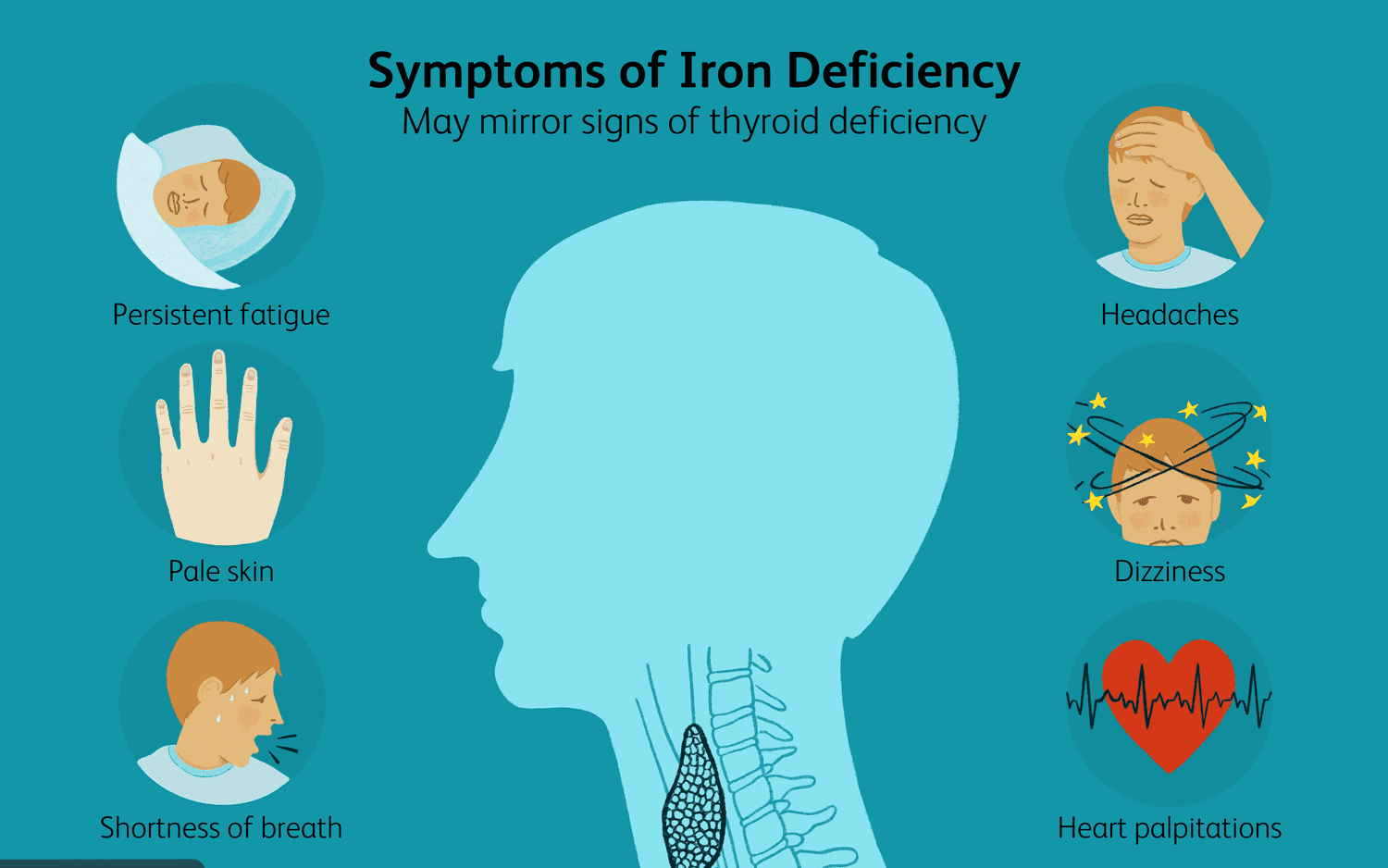
Symptoms of Iron Deficiency Anaemia

  • Extreme fatigue 
  • Shortness of breath 
  • Dizziness 
  • Pale skin 
  • Headaches 
  • Cold hands and feet 

Anaemia is essentially the advanced stage of iron deficiency.

What Causes Iron Deficiency?

Common causes include:

  • Heavy menstrual bleeding 
  • Pregnancy 
  • Vegetarian or vegan diets 
  • Gastrointestinal absorption issues 
  • Frequent blood donation 
  • High endurance training 
  • Poor dietary intake 

Athletes are also at increased risk due to higher iron turnover.

Can You Be Iron Deficient Without Being Anaemic?

Yes — and this is very common.

Many people have low ferritin but normal haemoglobin.

This is why testing ferritin alone is not enough — and why symptoms shouldn’t be ignored.

Early detection prevents progression.

How Is Iron Deficiency Diagnosed?

A proper iron panel should include:

  • Ferritin 
  • Serum iron 
  • Transferrin 
  • Total iron-binding capacity 
  • Full blood count 

At Youth Revisited, the Anaemia Profile is designed to assess these markers together, providing clarity rather than guesswork.

View the Anaemia Profile

When Should You Test?

Consider testing if you:

  • Feel persistently tired 
  • Experience heavy periods 
  • Follow a plant-based diet 
  • Struggle with endurance or recovery 
  • Have a history of low iron 

Even if you are supplementing.

Taking iron without testing can:

  • Mask underlying issues 
  • Lead to incorrect dosing 
  • Delay proper diagnosis 

Should You Take Iron Without Testing?

Iron is not a “harmless” supplement.

Too much iron can cause:

  • Digestive discomfort 
  • Oxidative stress 
  • Potential long-term complications 

Testing first ensures you supplement appropriately.

If You’re Unsure Where to Start

If fatigue is your main concern but you are unsure whether iron is the issue, a broader test such as the NutriCheck Vitality & Vitamins Test may provide additional context.

Explore Vitamin & Nutrition Testing

Frequently Asked Questions

Is iron deficiency the same as anaemia?

No. Iron deficiency refers to low iron stores. Anaemia occurs when low iron reduces haemoglobin levels.

Can iron deficiency cause hair loss?

Yes, low ferritin has been associated with hair thinning.

How long does it take to correct iron deficiency?

Typically 8–12 weeks of monitored supplementation, but levels should be retested.

Can men get iron deficiency?

Yes, although it is more common in women, men can also develop low iron levels.

 

Vitamin B12 and Blood Test Guide: Purpose Benefits and Who Needs It

Vitamin B12 plays a vital role in maintaining overall health. It supports nerve function, red blood cell production, DNA synthesis and energy metabolism. Many people live with low B12 levels without clear symptoms. A vitamin B12 blood test helps identify imbalances early and prevents long term complications.

This guide explains why vitamin B12 testing is important, who should consider testing how the test works and why timely testing matters. It is written for individuals who want clarity and for those booking blood tests to take control of their health.

What Is Vitamin B12 and Why It Matters

Vitamin B12 also known as cobalamin is a water soluble vitamin essential for brain health, nerve protection and blood formation. The body cannot produce vitamin B12 on its own. It must come from food supplements or medical injections such as hydroxocobalamin.

Vitamin B12 helps convert food into energy and supports mental performance. It also protects nerve cells and supports emotional wellbeing.

Low B12 levels often develop slowly. Without testing deficiency may go unnoticed until symptoms become severe.

Forms of Vitamin B12 Explained

Vitamin B12 exists in different forms used for diagnosis and treatment.

Cobalamin

Cobalamin is the general term for vitamin B12 measured in blood tests. A B12 serum test evaluates circulating cobalamin levels in the bloodstream.

Hydroxocobalamin

Hydroxocobalamin is a naturally occurring injectable form of vitamin B12. Doctors frequently prescribe it to treat deficiency. Hydroxocobalamin BNF guidance supports its use in cases of malabsorption and confirmed deficiency.

Why Vitamin B12 Blood Tests Are Important

Vitamin B12 deficiency often causes non-specific symptoms. Many people confuse these signs with stress aging or lifestyle factors. Blood testing remains the most accurate way to assess vitamin B12 status.

A vitamin B12 blood test is strongly recommended if you experience
persistent fatigue or weakness
numbness or tingling in hands or feet
memory and concentration difficulties
mood changes including vitamin B12 depression
digestive conditions affecting absorption
long term use of metformin and vitamin B12 reduction
vegetarian or vegan diets
unexplained anemia

Testing allows early diagnosis and helps prevent irreversible nerve damage.

Book a vitamin b12 blood test 

Who Should Get a Vitamin B12 Blood Test

This blog is for individuals who value preventive healthcare and evidence based decisions. It also supports people managing chronic conditions or long term medication use.

Adults With Low Energy Levels

Low B12 commonly causes ongoing tiredness. A blood test identifies whether deficiency affects energy production and guides appropriate treatment.

People Taking Metformin

Metformin and vitamin B12 deficiency often occur together. Long term metformin use reduces absorption. Regular monitoring helps prevent neurological complications.

Individuals With Mental Health Symptoms

Vitamin B12 depression is linked to neurotransmitter imbalance. Low B12 may contribute to low mood anxiety and brain fog.

People Managing Blood Pressure

Vitamin B12 and blood pressure are closely connected. Deficiency may increase cardiovascular strain. Testing supports better heart health management.

Individuals With Digestive Disorders

Conditions such as gastritis, Crohn disease or low stomach acid reduce vitamin absorption. Blood testing helps determine supplementation needs.

Understanding Low B12 and High Vitamin B12 Levels

Low B12

Low B12 can result from poor intake absorption problems or medication use. Common symptoms include fatigue, dizziness, tingling and memory issues.

High Vitamin B12

High vitamin B12 or elevated vitamin B12 levels do not always result from supplementation. They may indicate liver conditions, inflammation or other medical concerns. Blood testing helps identify the underlying cause.

What Is a B12 Serum Test

A B12 serum test measures vitamin B12 levels in the blood. It involves a simple blood draw and provides quick results.

Healthcare providers may recommend additional markers if results fall near the lower or upper range. However the serum test remains the primary screening tool.

Vitamin B12 and Blood Pressure Connection

Vitamin B12 supports homocysteine regulation. Elevated homocysteine increases cardiovascular risk. Adequate B12 levels help maintain healthy blood vessels and stable blood pressure.

B12 and blood pressure research shows balanced levels support cardiovascular function when combined with folate and vitamin B6.

Vitamin B12 and Mental Wellbeing

B12 contributes to serotonin and dopamine production. Deficiency may worsen depression, irritability and cognitive decline.

Testing enables early correction before symptoms progress.

Dietary Sources of Vitamin B12

Vitamin B12 naturally occurs in animal based foods.

Vitamin B12 in fish such as salmon tuna and sardines
Meat eggs and dairy products
Fortified foods for plant based diets

Diet alone may not meet individual needs. Blood testing clarifies whether supplementation is necessary.

Supplements and Treatment Options

Best B12 Supplement for Energy

The best B12 supplement for energy depends on absorption ability. Oral supplements suit many individuals. Injections such as hydroxocobalamin benefit those with absorption difficulties.

Taking B12 at Night

B12 at night may affect sleep in some people due to increased alertness. Morning intake is often recommended.

Why Book a Vitamin B12 Blood Test Online

Online blood test booking offers convenience accuracy and fast access to results. It removes long waiting times and simplifies preventive care.

For blood test booking businesses this service supports early diagnosis and proactive health management. Easy access encourages individuals to test before symptoms worsen.

How Often Should Vitamin B12 Be Tested

People at risk should test annually. Individuals with deficiency may require follow up testing after treatment. Long term metformin users benefit from regular monitoring.

Key Takeaway for Preventive Health

Vitamin B12 blood testing plays a crucial role in identifying deficiency or excess. It protects neurological cardiovascular and mental health. Booking a blood test provides clarity, early intervention and long term wellbeing.

Read more on Healthline about vitamin b12

Frequently Asked Questions

What does a vitamin B12 blood test measure

It measures cobalamin levels in the blood to assess deficiency or excess.

Can high vitamin B12 levels be harmful

Elevated vitamin B12 may indicate underlying medical conditions. Testing helps determine the cause.

Does metformin affect vitamin B12 levels

Yes, long term metformin use reduces B12 absorption. Regular testing is advised.

Is hydroxocobalamin better than tablets

Hydroxocobalamin suits individuals with absorption issues. Blood testing helps guide treatment choice.

Can vitamin B12 influence blood pressure

Vitamin B12 and blood pressure are linked through cardiovascular and homocysteine regulation.

Who should consider booking a B12 blood test

People with fatigue neurological symptoms, dietary restrictions or long term medication use benefit most.

💬
0
    0
    Your Cart
    Your cart is emptyReturn to Shop