Most Popular Tests All Tests 180+ markers
Home Visits Clinic Appointments Blood Letting TRT Monitoring NutriCheck Consultations Subscriptions
All Partners Gyms Practitioners Soon Affiliates Soon Corporate Soon Partner Login
About Us How It Works Information Hub Contact Us
Find My Test My Account
Search tests & biomarkers
ESC to close

Iron in the Body A Complete Guide to Iron Tests Nutrition and Health

Iron is one of the most essential minerals in the human body. It plays a direct role in oxygen transport energy production, immune strength and cognitive function. Despite this importance, iron imbalance remains one of the most common yet ignored health issues globally. Both low and high iron levels can silently damage health if not tested on time.

This blog is written for individuals who want to understand iron in the body, health conscious adults athletes , people with fatigue symptoms, parents caregivers and anyone booking blood tests to monitor nutritional health. 

This guide explains why iron tests are mandatory, who benefits from them nutritional sources of iron and how to maintain balanced iron levels without guesswork.

What Is Iron and Why It Matters

Iron is a vital mineral that supports hemoglobin formation. Hemoglobin is the protein in red blood cells responsible for carrying oxygen from the lungs to tissues. Without enough iron the body cannot produce healthy red blood cells. Too much iron can also cause organ damage.

Iron in the body supports multiple systems including muscle metabolism, brain function hormone regulation and immune response. Because the body does not actively excrete excess iron, balance depends on diet absorption and internal regulation.

Types of Iron and How the Body Uses Them

There are 2 main types of iron consumed through diet.

Heme Iron

Heme iron comes from animal based foods. It is absorbed efficiently by the body. Examples include eggs, meat , poultry and seafood. Iron in eggs is a notable source especially for people who do not consume red meat regularly.

Non Heme Iron

Non heme iron is found in plant based foods. It has lower absorption rates but remains essential. Foods like spinach broccoli bananas and fortified grains fall into this category. Iron in spinach and iron in broccoli are commonly recommended for plant focused diets.

The body absorbs iron based on current needs. Vitamin C enhances absorption while calcium and certain compounds can reduce it.

Iron in the Body How Balance Works

Iron in the body is stored mainly in the liver spleen and bone marrow. The body regulates iron absorption rather than excretion. This means problems often develop slowly and without early symptoms.

Low iron can lead to iron deficiency anemia. High iron also known as iron overload can result from excessive supplementation genetic conditions or repeated transfusions.

High iron levels can damage the liver, heart and pancreas. This is why testing is critical before taking supplements.

Why Iron Tests Are Mandatory for Health Monitoring

Iron tests are not optional for long term health management. Symptoms of iron imbalance often appear late when damage has already started.

Iron blood tests help measure serum iron ferritin total iron binding capacity and transferrin saturation. Together these markers show how much iron is circulating, stored and available for use.

Iron tests are mandatory for several groups.

People with chronic fatigue dizziness or weakness
Women with heavy menstrual cycles
Pregnant women and post pregnancy recovery
Athletes with high physical demand
Vegetarians and vegans
People taking iron supplements
Individuals with digestive disorders
People with liver or metabolic conditions

Testing prevents blind supplementation and allows precise treatment.

Who Benefits Most From Iron Testing

Iron testing benefits a wide range of individuals.

Working professionals with low energy levels
Students with concentration issues
Fitness focused individuals optimizing performance
Older adults monitoring nutrient absorption
People managing chronic illnesses
Families seeking preventive health checks

Regular testing helps detect problems early and avoids complications. 

Dietary Sources of Iron Explained Clearly

Iron intake should come primarily from food. Understanding sources helps maintain balance naturally.

Iron in Eggs

Iron in eggs supports red blood cell production and muscle function. Eggs provide heme iron and are easy to digest making them suitable for daily diets.

Iron in Banana

Iron in bananas is present in small amounts but bananas support iron absorption due to their vitamin and enzyme content. They are helpful as part of a balanced diet.

Iron in Broccoli

Iron in broccoli is a plant based source combined with vitamin C which improves absorption. It is especially beneficial for people following plant focused diets.

Iron in Spinach

Iron in spinach is widely known but it is non heme iron. Cooking spinach improves absorption by reducing compounds that block iron uptake.

Iron in Milk

Iron in milk is very low. Dairy can actually reduce iron absorption if consumed in excess with iron rich meals. This is important for children and adults relying heavily on milk.

Black Iron Nutrition

Black iron nutrition refers to iron rich foods that are dark in color such as black beans, lentils and certain seeds. These foods support iron intake when combined with absorption enhancing nutrients.

Use of Iron in Daily Body Functions

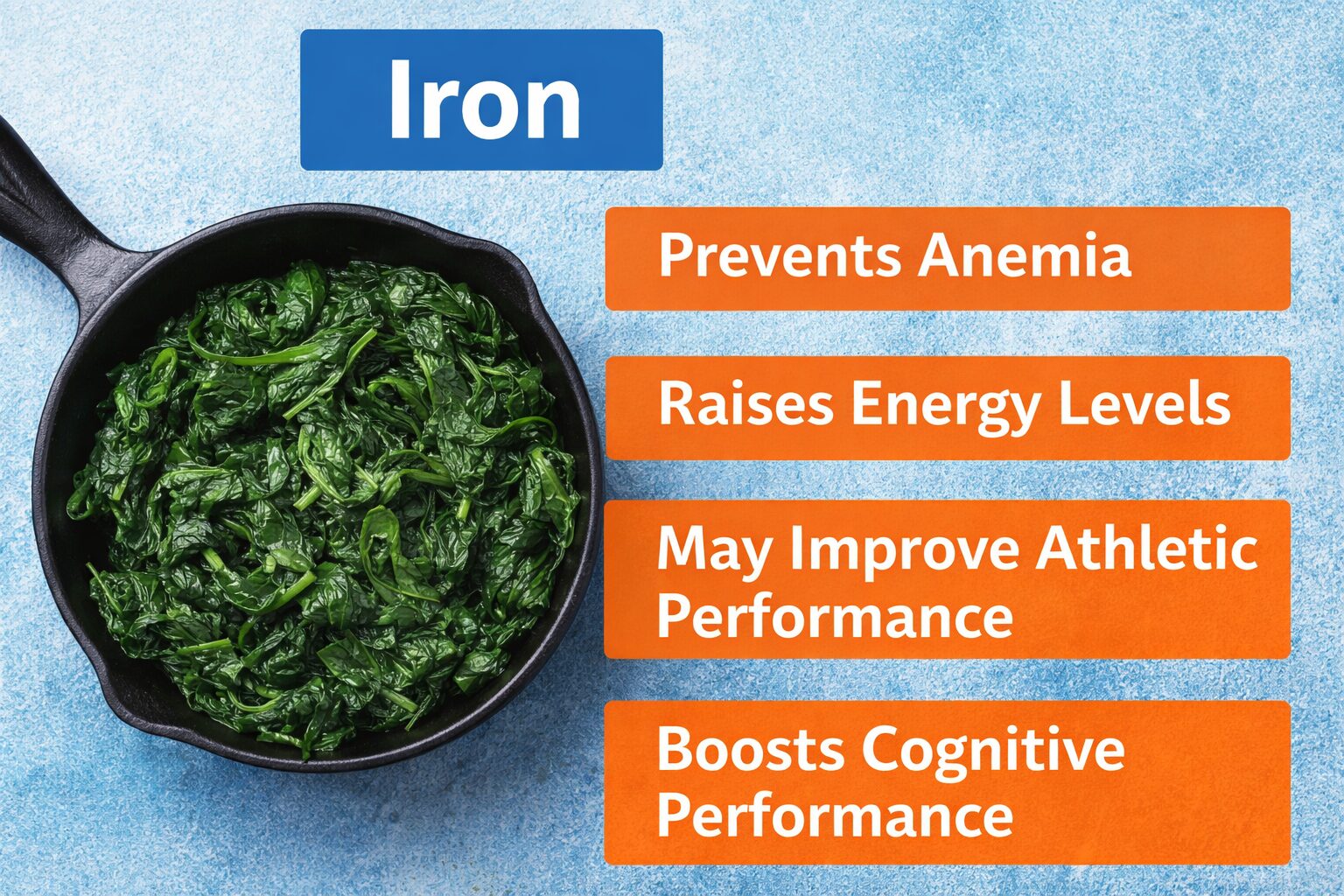
The use of iron extends far beyond preventing anemia.

Supports oxygen delivery to cells
Improves energy metabolism
Enhances immune defense
Maintains cognitive performance
Supports muscle recovery
Aids hormone synthesis

Without balanced iron levels the body cannot function optimally even if other nutrients are sufficient.

Read more about Iron on healthline

Iron Risks and Why Testing Prevents Harm

High iron levels are dangerous. it can lead to oxidative stress organ inflammation and long term tissue damage.

Common causes include excessive supplementation, genetic conditions and repeated blood transfusions.

Symptoms of high iron may include joint pain, abdominal discomfort fatigue, irregular heartbeat and skin discoloration.

Testing identifies high iron early and prevents unnecessary supplementation. 

Iron Kingdom Understanding Iron in Health Systems

The term iron kingdom is often used to describe iron importance across biological systems. Iron influences blood immune response energy metabolism and neurological health.

Within the iron kingdom, balance is the key principle. More iron is not better. Less iron is not safe. Testing is the only reliable way to understand personal iron status.

How Blood Test Booking Services Add Value

For blood test booking iron tests are a core offering.

They support preventive health
They reduce self diagnosis risks
They guide nutrition and supplementation

Book a Iron Blood test

Frequently Asked Questions

Why are iron tests necessary even without symptoms

Iron imbalance develops silently. Testing detects issues before symptoms appear and prevents long term damage.

Can I rely only on diet for iron balance

Diet is important but absorption varies. Testing confirms whether dietary intake is sufficient or excessive.

Is high iron more dangerous than low iron

Both are harmful. High iron can damage organs while low iron reduces oxygen delivery. Testing determines safe levels.

How often should iron tests be done

Frequency depends on health status, age, diet and medical advice. Many adults benefit from annual testing.

Does taking iron supplements improve energy automatically

No. Supplements only help if iron deficiency exists. Taking iron without testing can cause harm.

Final Takeaway

Iron is essential but balance is critical. Iron in the body affects energy immunity and overall health. Understanding types of iron dietary sources and the use of iron helps support wellness but testing is the foundation of safe care.

Blood test booking services that prioritize iron testing empower individuals to make informed decisions and prevent avoidable health risks. Iron health is not guesswork. It is measurable, manageable and essential.

Understanding C Reactive Protein and Its Blood Test

This Article covers Understanding C Reactive Protein. C reactive protein often called CRP plays a critical role in modern preventive healthcare. Doctors rely on this inflammation marker in blood to identify hidden health risks before symptoms appear. A CRP blood test gives fast insight into inflammation activity inside the body and helps guide early medical decisions.

This guide explains CRP meaning in simple terms, why blood tests CRP are important, who needs testing, and how early testing benefits individuals and healthcare providers.

What Is C Reactive Protein

C reactive protein is a substance produced by the liver. The body releases it when inflammation occurs. Inflammation is the immune system response to infection, injury or chronic disease.

A reactive protein level rises when the body detects stress or damage. Doctors use CRP blood work to measure how much inflammation exists at a given time.

CRP itself does not cause disease. It acts as a signal showing something abnormal is happening inside the body.

CRP Meaning in Medical Testing

CRP meaning refers to how much inflammation exists rather than identifying a single illness. A blood work C reactive protein test helps doctors evaluate overall health status and disease risk.

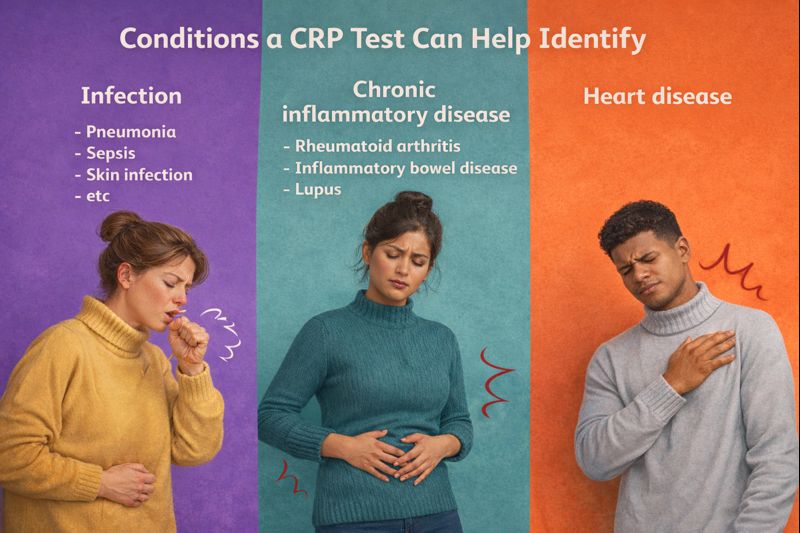
CRP inflammation levels increase in conditions such as infections, autoimmune disorders, heart disease and chronic inflammation. This makes CRP a valuable early warning tool.

What Is a CRP Blood Test

CRP blood work measures the amount of serum C protein level present in the blood. A healthcare professional collects a small blood sample and sends it to a laboratory for analysis.

The test is quick and simple and does not require fasting in most cases. Results often return within 24 to 48 hours.

Blood work C reactive protein testing is widely available and commonly used in preventive screening programs.

Types of CRP Blood Tests

Standard CRP Test

The standard test detects moderate to severe inflammation. Doctors often use it when infection or active disease is suspected.

CRP High Sensitivity Test

CRP high sensitivity testing detects very low levels of inflammation. It plays a key role in assessing cardiovascular risk even in people who feel healthy.

High sensitivity CRP helps identify silent inflammation that may increase the risk of heart attacks and strokes.

Normal CRP Levels Explained

Normal CRP levels vary slightly between laboratories but typically remain below 5 mg per liter.

C reactive protein low levels indicate minimal inflammation and good overall health. Doctors consider this range reassuring in most cases.

What Elevated CRP Levels Mean

Elevated CRP levels suggest active inflammation somewhere in the body. The test does not reveal the cause but signals that further investigation may be necessary.

Raised C reactive protein may appear in cases of infection injury autoimmune disease or chronic health conditions.

CRP reactive protein high results require clinical interpretation alongside symptoms and other blood tests.

Causes of Elevated C Reactive Protein

Several factors can cause elevated C reactive protein including

Acute bacterial or viral infections
Chronic inflammatory diseases
Obesity and metabolic disorders
Cardiovascular disease
Smoking and poor lifestyle habits

C protein high readings often reflect long term inflammation that develops silently over time.

CRP as an Inflammatory Marker in Blood

CRP inflammatory marker testing allows doctors to track inflammation progression or response to treatment. Doctors may repeat tests to monitor improvement or worsening conditions.

CRP inflammation testing also helps distinguish between bacterial and viral infections when combined with other markers.

Why CRP Tests Are Mandatory in Preventive Care

Many serious conditions begin with silent inflammation. CRP blood work detects problems early before symptoms worsen.

Early testing helps reduce complications in hospital admissions and long term healthcare costs. For this reason many doctors now include CRP blood tests CRP in routine health screening.

CRP testing becomes especially important for people with family history of heart disease, diabetes or autoimmune conditions.

Who Benefits Most From CRP Blood Testing

Individuals With Chronic Fatigue or Pain

Persistent tiredness or unexplained pain may indicate inflammation. CRP testing helps identify underlying issues.

People at Risk of Heart Disease

CRP high sensitivity testing plays a major role in cardiovascular risk assessment even when cholesterol levels appear normal.

Patients With Autoimmune Conditions

CRP C reactive protein monitoring helps track disease activity and treatment effectiveness.

People Recovering From Infection or Surgery

CRP blood work shows how well the body heals and whether complications develop.

CRP Testing in Blood Test Booking Services

Blood test booking services make CRP testing accessible and convenient. Online booking removes delays and encourages proactive health monitoring.

Quick access to CRP blood work allows individuals to act early and seek medical advice faster.

For health focused businesses CRP testing remains a high value diagnostic service that supports preventive care models.

Book a CRP blood test here

Benefits of Regular CRP Blood Testing

Early disease detection
Better inflammation control
Reduced long term health risks
Personalized treatment planning
Improved patient outcomes

Regular monitoring of reactive protein levels helps people stay informed and engaged in their health.

CRP and Inflammation Management

CRP inflammation testing supports lifestyle and treatment decisions. Doctors may recommend dietary changes, exercise stress reduction or medication based on results.

Lowering inflammation often leads to improved energy better immune function and reduced disease risk

Read more about CRP on Healthline

How to Prepare for a CRP Blood Test

Most CRP tests do not require fasting. Patients should inform healthcare providers about medications, supplements or recent illness.

Hydration helps ensure smooth blood sample collection.

Understanding Test Results With Your Doctor

CRP results must be interpreted alongside symptoms, medical history and other tests. Elevated CRP alone does not confirm a diagnosis.

Doctors may order additional tests if CRP reactive protein high levels persist.

Frequently Asked Questions

What is CRP blood work used for

CRP blood work measures inflammation and helps detect infection, chronic disease and cardiovascular risk.

What does elevated CRP levels indicate

Elevated CRP levels indicate active inflammation but do not identify the exact cause.

Is CRP testing safe

Yes CRP testing is safe, quick and minimally invasive.

What is the difference between standard CRP and CRP high sensitivity

Standard CRP detects significant inflammation while CRP high sensitivity identifies low grade inflammation related to heart disease risk.

Can CRP levels return to normal

Yes CRP levels often decrease once inflammation resolves or treatment becomes effective.

Who should book a CRP blood test

People with chronic symptoms, family history of disease or those seeking preventive screening benefit most.

Final Thoughts on C Reactive Protein Testing

C reactive protein testing plays a vital role in modern preventive healthcare. It provides early insight into inflammation long before serious symptoms appear.

By choosing timely blood tests CRP individuals gain control over their health and healthcare providers improve patient outcomes. Blood test booking services make this essential test accessible, reliable and efficient for everyone seeking proactive health management.

Vitamins And Blood Tests Guide Complete 

Vitamins are essential micronutrients that support metabolism immunity, brain function, bone strength and hormonal balance. The human body cannot produce most vitamins in sufficient amounts which makes diet and testing critical. Modern lifestyles, limited sun exposure processed foods and medical conditions have increased the risk of deficiencies across all age groups.

This guide explains why vitamin testing is important, who should get tested and how blood tests help detect imbalances early. The focus is on safe evidence based information aligned with blood test booking services.

Who This Blog Is For

This blog is written for adults experiencing fatigue, low immunity mood changes, bone pain or unexplained health issues. It is also relevant for seniors, office workers, vegans, vegetarians , athletes, pregnant women and individuals with limited sun exposure. Anyone booking or considering a vitamin blood test will benefit from understanding what is tested and why it matters.

Healthcare conscious individuals looking for preventive testing and early detection will find this guide practical and actionable.

Why Vitamin Blood Tests Are Mandatory in Preventive Care

Symptoms of vitamin imbalance often appear late and are frequently mistaken for stress or aging. Blood tests allow early identification before complications develop. Testing is the only reliable way to confirm deficiencies or excess levels.

Vitamin blood tests are mandatory in preventive care because they provide measurable data. They help doctors and patients make informed decisions on supplementation diet and lifestyle. Guesswork supplementation can be harmful especially with fat soluble vitamins.

Routine testing helps prevent nerve damage, bone disorders, anemia, immune dysfunction and mood related conditions such as vitamin d and depression.

Understanding Vitamin B Complex and Its Role

The vitamin B group supports energy production, nervous system health, red blood cell formation and cognitive function. Deficiencies are common due to poor diet absorption issues and increased stress.

Vitamin B1 and B2

Vitamins B1 supports nerve signaling and heart function. Vitamins B2 plays a role in energy metabolism and skin health. Deficiency may cause fatigue, mouth sores and headaches.

Pyridoxine and Folate Serum

Pyridoxine also known as vitamin B6 is vital for neurotransmitter production and immune response. Low levels may result in mood changes and weakened immunity.

Folate serum testing measures folic acid levels in the blood. Low folic acid can lead to anemia, pregnancy complications and cardiovascular risk. Folate testing is especially important for women planning pregnancy.

Vitamin B12 and Hydroxocobalamin

Vitamin B12 is essential for nerve health DNA synthesis and red blood cell formation. Hydroxocobalamin is a bioactive form of vitamin B12 often measured or used in treatment.

Low vitamin b12 and low vitamin B12 are common in vegetarians, older adults and people with gut absorption disorders. Symptoms include numbness, memory issues, fatigue and anemia.

High vitamin b12 and too much vitamin b12 may indicate supplementation excess or underlying liver conditions. Blood testing helps differentiate safe from unsafe levels.

Lack of vitamin B12 and lack of vitamin B12 can cause irreversible nerve damage if untreated which makes early testing critical.

Vitamin b12 rich dry fruits and vitamin b fruits contribute to intake but may not be sufficient for everyone.

B17 Vitamin and Vitamin F

B17 vitamin is a controversial term often linked with alternative nutrition discussions. Blood testing helps avoid misinformation and unsafe intake.

Vitamin f refers to essential fatty acids that support cell membranes and skin health. While not a true vitamin, balanced levels are important for metabolic health.

Vitamin D Testing and Its Importance

Vitamin D plays a key role in bone strength, immune defense, muscle function and mental health. Deficiency is widespread due to limited sunlight exposure.

Low vitamin d and lack of vitamin d are linked with bone pain, frequent infections, fatigue and mood disorders. Vitamin d and depression are strongly associated in clinical research.

Too much vitamin d can be toxic causing calcium imbalance kidney strain and heart rhythm issues. Testing ensures safe supplementation.

Vitamin d fruits contribute modestly but sunlight and supplements remain primary sources.

Book a Vitamin Blood test here

Vitamin A and Dietary Sources

Vitamins A supports vision, immune health and skin regeneration. Vitamins A vegetables such as carrots, spinach and sweet potatoes are rich natural sources.

Excess intake can be harmful which is why blood testing is useful before high dose supplementation.

Why Blood Testing Is Better Than Symptoms Alone

Symptoms overlap across many deficiencies making self diagnosis unreliable. Blood tests provide objective data and help tailor treatment.

Testing prevents unnecessary supplementation, reduces toxicity risk and supports long term wellness planning. It also allows progress tracking after dietary or supplement changes.

Who Benefits Most From Vitamin Blood Tests

People with chronic fatigue, digestive issues, autoimmune conditions, depression, bone disorders or restrictive diets benefit the most. Office workers, seniors, vegans , athletes and individuals with minimal sun exposure should consider routine testing.

Blood test booking services make testing accessible, convenient and time efficient supporting proactive health management.

How Vitamin Testing Supports Better Health Decisions

Accurate test results guide personalized nutrition plans. They help healthcare providers recommend correct dosages and avoid interactions.

Testing also supports accountability by showing measurable improvement or identifying the need for further investigation.

Read more on healthline about vitamins

Frequently Asked Questions

Are vitamin blood tests necessary if I eat healthy

Yes, even balanced diets may not meet absorption needs. Testing confirms actual blood levels.

How often should vitamin tests be done

Once or twice per year is common depending on health status and medical advice.

Can too many vitamins be harmful

Yes, especially fat soluble vitamins. Blood testing helps prevent overdose.

Is vitamin d testing important year round

Yes levels can remain low even in sunny months due to indoor lifestyles.

Can I book vitamin blood tests online

Yes, online blood test booking services make the process fast and convenient.

Do supplements replace testing

No supplements should be guided by test results to ensure safety and effectiveness.

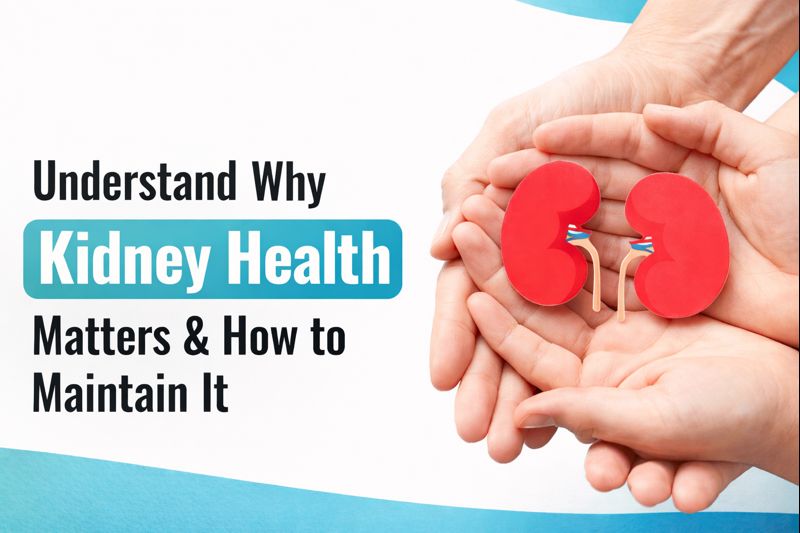
Understanding the Kidney and Why Blood Tests Matter for Your Health

This Article covers Kidney health and blood test. The kidney plays a critical role in keeping the human body healthy and balanced. Many people overlook kidney health until serious symptoms appear. This delay often leads to advanced kidney disease that could have been detected earlier through simple blood tests. Regular kidney blood tests help identify problems early, reduce long term complications, and support better treatment outcomes.

This blog explains what kidney disease is, how to recognize early warning signs, why testing is mandatory, and who benefits the most from regular kidney blood tests.

What Is Kidney Disease

Kidney disease occurs when the kidneys lose their ability to filter waste and excess fluids from the blood. Healthy kidneys remove toxins, regulate blood pressure, balance electrolytes, and support red blood cell production. When kidney function declines, waste builds up in the body and affects multiple organs.

Kidney disease can develop slowly over time or progress rapidly depending on the underlying cause. Many people ask what is kidney disease because early stages often show no visible symptoms. This makes routine blood testing essential.

Signs of Kidney Disease You Should Never Ignore

Recognizing early signs can prevent severe damage. Some symptoms may appear mild but signal underlying kidney problems.

Common signs of kidney disease include
• Persistent fatigue
• Swelling in feet ankles or face
• Changes in urination frequency or color
• Foamy or bubbly urine
• Muscle cramps
• Difficulty concentrating
• Poor appetite

The first signs of kidney disease often go unnoticed because they resemble general tiredness or dehydration. Blood tests help confirm whether the kidneys function properly.

Kidney Disease Symptoms Explained Clearly

Kidney disease symptoms vary depending on the stage. In early stages symptoms remain subtle. As the condition progresses symptoms become more severe.

Symptoms may include
• Nausea or vomiting
• Shortness of breath
• High blood pressure
• Persistent itching
• Chest pain due to fluid buildup
• Reduced urine output

If you wonder how you can tell if you have kidney disease, blood tests combined with symptom evaluation provide the most accurate answer.

How to Know If You Have Kidney Problems

Many people ask how to know if you have kidney problems without guessing. The most reliable way is through blood tests that measure kidney function markers.

Key kidney blood tests include
• Creatinine levels
• Estimated glomerular filtration rate
• Blood urea nitrogen
• Electrolyte balance

These tests detect kidney issues even before symptoms appear. Booking regular blood tests allows early intervention and prevents long term damage.

Chronic Kidney Disease Diagnosis Through Blood Tests

Chronic kidney disease diagnosis relies heavily on blood test results over time. Doctors confirm chronic kidney disease when kidney function remains reduced for 3 months or longer.

Blood tests help determine
• Severity of kidney damage
• Rate of disease progression
• Treatment effectiveness

Early diagnosis improves quality of life and reduces the risk of kidney failure. Blood tests remain the foundation of accurate chronic kidney disease diagnosis.

Understanding Kidney Disease Stages Clearly

Kidney disease progresses in stages. Each stage reflects how well the kidneys filter waste.

Stage 2 Kidney Disease

Stage 2 kidney disease indicates mild kidney damage with slightly reduced function. Many people feel normal at this stage. Blood tests usually detect subtle changes before symptoms occur.

What Is Stage 3 Kidney Disease

What is stage 3 kidney disease often concerns patients. This stage shows moderate kidney damage and may cause noticeable symptoms such as fatigue swelling and changes in urination. Regular blood tests become critical to slow progression.

Stage 4 Kidney Disease

Stage 4 kidney disease represents severe kidney damage. Waste buildup increases and symptoms intensify. Blood testing guides treatment decisions and helps prepare for advanced care if needed.

Why Kidney Blood Tests Are Mandatory

Kidney disease often progresses silently. Blood tests provide early warnings long before symptoms appear.

Kidney blood tests are mandatory because they
• Detect disease early
• Monitor disease progression
• Prevent kidney failure
• Support accurate treatment plans
• Reduce hospitalization risk

Skipping blood tests increases the risk of reaching advanced stages without knowing. Regular testing saves lives and prevents irreversible damage.

How to Prevent Kidney Failure With Early Testing

How to prevent kidney failure starts with awareness and regular monitoring. Blood tests help identify risk factors such as diabetes, high blood pressure and dehydration.

Preventive steps include
• Regular kidney blood tests
• Proper hydration
• Blood sugar control
• Blood pressure management
• Avoiding unnecessary medications

Early detection through blood testing gives patients time to adjust lifestyle and treatment before kidney failure develops.

Read more on healthline about kidney

How to Stop Kidney Disease From Progressing

Many patients ask how to stop kidney disease once diagnosed. While some damage cannot reverse, early action slows progression significantly.

Blood tests help doctors
• Adjust medications
• Monitor response to treatment
• Identify complications early

Consistent testing combined with medical advice improves long term kidney outcomes.

How to Prevent Kidney Problems Before They Start

How to prevent kidney problems requires proactive health monitoring. Even healthy individuals benefit from periodic kidney blood tests.

Prevention strategies include
• Annual kidney function testing
• Balanced diet
• Limiting salt intake
• Avoiding smoking
• Managing chronic conditions

Blood testing ensures the kidneys remain healthy over time.

Who This Blog Is For

This blog is for
• Adults concerned about kidney health
• People with diabetes or high blood pressure
• Individuals with family history of kidney disease
• Patients experiencing unexplained fatigue or swelling
• Anyone seeking preventive health care

If you want clarity on how you can tell if you have kidney disease this information empowers you to take action early.

Why Blood Test Booking Matters

Access to timely blood testing makes early diagnosis possible. A reliable blood test booking service removes barriers to preventive care.

Booking kidney blood tests helps
• Save time
• Ensure accurate testing
• Enable early diagnosis
• Support long term health management

Youth Revisited simplifies blood test booking so individuals can monitor kidney health without delay.

Book a Kidney blood test here

How Regular Blood Tests Protect Long Term Health

Regular kidney blood tests protect not only kidney function but overall health. Kidney disease affects the heart bones and immune system.

Consistent testing leads to
• Better treatment outcomes
• Reduced healthcare costs
• Improved quality of life

Preventive testing always costs less than advanced disease management.

Frequently Asked Questions

What is kidney disease and how is it diagnosed

Kidney disease occurs when kidneys lose filtering ability. Blood tests confirm diagnosis by measuring kidney function markers.

What are the first signs of kidney disease

Early signs include fatigue swelling, changes in urination and high blood pressure. Blood tests detect disease earlier than symptoms.

How can you tell if you have kidney disease

The most accurate method is through kidney blood tests that assess creatinine and filtration rate.

Are kidney blood tests necessary without symptoms

Yes, kidney disease often develops silently. Blood tests detect problems before symptoms appear.

How often should kidney blood tests be done

People with risk factors should test at least once a year. Others may test as advised by healthcare providers.

Can kidney disease be prevented

Early detection lifestyle changes and regular blood tests help prevent progression and kidney failure.

Final Thoughts

Kidney health should never be ignored. Understanding kidney disease signs symptoms and stages empowers individuals to act early. Blood tests remain the most reliable tool for detection, monitoring and prevention.

Booking regular kidney blood tests protects long term health and prevents serious complications. Taking action today ensures healthier kidneys tomorrow.

Tiredness Fatigue Understanding the Causes and Why its Blood Tests Matter

Tiredness and fatigue are among the most common health complaints today. Many people say they are tired all the time, constantly tired, or feel a lack of energy even after rest. While occasional tiredness is normal, ongoing fatigue can signal an underlying issue that should not be ignored. This guide explains the cause of fatigue and tiredness, how symptoms present, who this blog is for, and why Tiredness fatigue blood test are mandatory for accurate answers.

Who This Blog Is For

This blog is for adults who feel exhausted, busy professionals who are sleepy all the time, parents juggling responsibilities, athletes noticing declining performance, and anyone saying “I feel fatigued” without knowing why. It is also for people experiencing symptoms like headache, dizziness fatigue, body aches and tiredness, or shortness of breath and fatigue. If you always feel tired and fatigued, this information is relevant to you.

What Is Fatigue and How Is It Different From Tiredness

Tiredness usually improves after rest or sleep. Fatigue is deeper and persistent. People with fatigue often report extreme fatigue all the time, reduced motivation, poor focus, and physical weakness. Many say “I feel exhausted all the time” or “I have no energy even in the morning.” This distinction matters because fatigue often has medical causes that need testing.

Common Symptoms Linked With Fatigue

Fatigue rarely appears alone. Common associated symptoms include
lack of energy throughout the day
sleepy all the time despite enough sleep
tired but cant sleep at night
shortness of breath and tiredness on mild activity
fatigue shortness of breath during exercise
headache dizziness fatigue affecting daily tasks
loss of appetite and tiredness
body aches and tiredness without clear reason

When these symptoms persist, blood tests help identify the root cause instead of guessing.

Reasons for Extreme Fatigue

There are many reasons for extreme fatigue. Some are lifestyle related, while others are medical and require confirmation through blood tests.

Nutritional Deficiencies

Low iron, vitamin B12, folate, or vitamin D can cause fatigue, weakness, dizziness, and shortness of breath and fatigue. These deficiencies cannot be confirmed by symptoms alone. Blood testing is essential.

Hormonal Imbalances

Thyroid disorders are a major cause of fatigue and tiredness. An underactive thyroid often causes weight gain, cold sensitivity, and always tired and fatigued feelings. Hormone levels must be measured through blood tests.

Anemia

Anemia is a frequent reason people feel exhausted all the time. It often causes shortness of breath and tiredness, pale skin, headaches, and low stamina. Blood tests measuring hemoglobin and iron status are mandatory for diagnosis.

Inflammation and Infection

Chronic inflammation or low grade infections can lead to constant fatigue, body aches and tiredness, and poor concentration. Blood markers help detect inflammation that may not show obvious signs.

Blood Sugar Imbalance

High or low blood sugar can cause energy crashes, dizziness, and feeling sleepy all the time. Blood tests identify whether glucose regulation is contributing to fatigue.

Stress and Lifestyle Factors

Long term stress, poor sleep quality, dehydration, and overtraining can all cause fatigue. Even here, blood tests are useful to rule out medical causes before focusing only on lifestyle changes.

Shortness of Breath and Fatigue Explained

Shortness of breath and fatigue together often worry people. This combination can relate to anemia, low iron, heart strain, or lung issues. Many people search for “shortness of breath and tiredness” because daily activities feel harder than before. Blood tests help identify oxygen carrying capacity and related deficiencies early.

Why You Feel Tired but Can’t Sleep

Being tired but can’t sleep is common in people with stress, hormonal imbalance, or nutrient deficiency. Poor sleep quality leads to daytime fatigue, irritability, and lack of focus. Blood tests can uncover hidden causes such as low magnesium, iron imbalance, or thyroid issues that disrupt sleep patterns.

Why Blood Tests Are Mandatory for Fatigue

Fatigue has many overlapping symptoms. Guessing or self supplementing without data can delay recovery or worsen the problem. Blood tests are mandatory because they
identify the exact cause of fatigue and tiredness
rule out serious conditions early
prevent unnecessary supplements or treatments
create a clear baseline for improvement
support safe and targeted treatment plans

Without testing, people often remain always tired and fatigued for months or years.

Book a tiredness and fatigue blood test here

Key Blood Tests for Tiredness and Fatigue

A structured blood test panel helps assess fatigue accurately. Common tests include
full blood count to assess anemia and infection
iron studies for iron deficiency or overload
vitamin B12 and folate for nerve and energy support
vitamin D for muscle strength and immunity
thyroid function tests for hormonal balance
inflammation markers when body aches and tiredness persist
glucose and HbA1c for energy regulation

These tests provide objective answers instead of assumptions.

How Blood Testing Supports Long Term Energy

Blood tests do more than diagnose. They guide monitoring and recovery. When levels normalize, symptoms like headache, dizziness fatigue, lack of energy, and constant tiredness often improve steadily. Retesting confirms progress and prevents relapse.

Who Benefits Most From Fatigue Blood Testing

Blood testing benefits
people with extreme fatigue all the time
individuals who are constantly tired despite rest
those with shortness of breath and fatigue
adults with loss of appetite and tiredness
people experiencing body aches and tiredness
anyone saying “I feel exhausted all the time”

Early testing leads to faster relief and better quality of life.

Why Use a Blood Test Booking Service

A professional blood test booking service simplifies the process. It allows you to choose relevant tests, book quickly, and receive accurate results without long waiting times. This approach suits busy individuals who want clarity and action rather than uncertainty.

Read more about tiredness fatigue on Healthline

Taking the Next Step Toward Energy

If you feel fatigued, tired all the time, or have unexplained symptoms, blood testing is a practical and responsible step. It replaces doubt with evidence and helps healthcare providers address the true cause of fatigue and tiredness.

Frequently Asked Questions

Is fatigue always caused by lack of sleep

No. Many people sleep enough but still feel sleepy all the time due to deficiencies, anemia, or hormonal issues that require blood tests.

Can stress alone cause extreme fatigue

Stress contributes, but blood tests are important to rule out medical causes before assuming stress is the only reason.

Why do I feel shortness of breath and fatigue together

This combination often points to anemia or low oxygen carrying capacity, which blood tests can confirm.

How long should fatigue last before testing

If fatigue lasts more than 3 to 4 weeks or affects daily life, blood tests are recommended.

Can blood tests help with body aches and tiredness

Yes. Inflammation markers, vitamin levels, and thyroid tests often explain these symptoms.

What if my tests are normal but I still feel tired

Normal results still help. They rule out serious causes and allow focus on sleep, stress, and lifestyle with confidence.

Is self supplementing safe without tests

No. Supplements can mask symptoms or cause imbalance. Testing ensures safe and targeted support.

How often should fatigue related blood tests be repeated

This depends on results, but follow up testing after treatment helps confirm recovery and sustained energy.

By understanding fatigue, recognizing symptoms early, and using blood tests wisely, you can move from feeling exhausted to regaining consistent energy and clarity.


HbA1c vs Fasting Glucose Test A Patient Help and Booking Guide

This Article Explains the Differences About Hba1c vs Fasting Glucose Test. If you are planning to book appointment for blood test and feel confused between HbA1c and fasting glucose you are not alone. This patient focused guide compares both tests clearly while also helping you decide when and how to book the right test.

The goal is simple to help patients make informed decisions and book the correct blood test with confidence.

Understanding Blood Sugar Tests Before You Book a Blood Test Appointment

Before you book appointment for blood test it is important to know what each test measures. Choosing the wrong test can delay diagnosis or give incomplete information.

Both HbA1c and fasting glucose are used to assess blood sugar but they answer different questions.

What Is the HbA1c Blood Test

The HbA1c blood test measures your average blood sugar levels over the last 2 to 3 months. It looks at how much glucose is attached to hemoglobin in red blood cells. Because red blood cells live for about 120 days the test reflects long term blood sugar control rather than a single day.

Patients often search for hba1c, hb1ac levels, or h1bac blood test when trying to understand diabetes risk. All refer to the same clinically trusted test.

What Is a Fasting Glucose Blood Test

A fasting glucose test measures your blood sugar at one specific moment after fasting for 8 to 12 hours. It shows how your body handles sugar at that exact time but does not reflect long term patterns.

This test is still useful but it provides limited insight compared to HbA1c.

HbA1c vs Fasting Glucose Key Patient Differences

Time Period Measured

HbA1c shows average blood sugar over months
Fasting glucose shows blood sugar at one moment

For patients looking for long term clarity HbA1c is usually more helpful.

Ease When Booking a Blood Test Appointment

HbA1c does not require fasting
Fasting glucose requires strict fasting

This makes HbA1c easier when you want to book a blood tests near me without rearranging your entire day.

Reliability for Long Term Health

HbA1c reflects overall blood sugar control
Fasting glucose can change due to stress illness or poor sleep

For this reason doctors rely more on HbA1c for diagnosis and monitoring.

HbA1c Normal Range Explained for Patients

Patients often search for hba1c normal range before or after their blood test appointment. While your doctor will interpret results for you general ranges include.

Below 42 mmol per mol normal blood sugar control
42 to 47 mmol per mol increased risk or prediabetes
48 mmol per mol or higher diabetes range

Understanding your HbA1c normal range helps you track progress and make lifestyle changes early.

When HbA1c Is the Better Choice for Patients

HbA1c is usually the best option when you want to.

Check diabetes risk without symptoms
Monitor existing diabetes
Avoid fasting before a blood test appointment
Understand long term blood sugar trends

For most patients booking an HbA1c test provides clearer answers with less inconvenience.

Read more about hba1c on Medicalnewstoday

When Fasting Glucose May Still Be Recommended

Fasting glucose may be recommended if.

Your doctor wants a quick snapshot
HbA1c results are borderline
You are combining tests for confirmation

In some cases doctors order both tests together to get the full picture.

Other Common Blood Tests Patients Book Together

Many patients choose to book multiple tests in one visit. Alongside HbA1c common tests include.

Serum TSH level to check thyroid function
Cholesterol tests for heart health
Vitamin levels for fatigue and weakness

Booking multiple tests saves time and avoids repeated appointments.

How to Book Appointment for Blood Test Easily

Modern blood test booking services make it easy to schedule your test without long waits. When you book appointment for blood test through a professional service you benefit from.

Simple online booking
Convenient locations near you
Professional sample collection
Fast and reliable results

This is why many patients now prefer private blood testing when searching for book a blood tests near me.

Book a Fasting Glucose Test here

Why Patients Prefer Private Blood Test Appointments

Private blood test appointments reduce uncertainty and stress. Patients benefit from quicker access and clearer communication.

Advantages include
No long waiting lists
Flexible appointment times
Clear explanations of HbA1c results
Confidence in accurate testing

For busy patients this approach supports better health decisions.

Tracking Improvement Using HbA1c Levels

Monitoring hb1ac levels over time shows whether lifestyle changes or treatment plans are working. Unlike fasting glucose HbA1c reflects real improvement not daily fluctuations.

Patients who track HbA1c regularly often feel more in control and motivated.

Frequently Asked Patient Questions

Do I need to fast before an HbA1c blood test

No fasting is required which makes it easier to book a blood test appointment.

Can I book HbA1c and serum TSH level together

Yes many patients book both tests in one visit for convenience.

Why is my fasting glucose normal but HbA1c high

Because fasting glucose shows one moment while HbA1c shows long term patterns.

How often should I repeat HbA1c testing

Most patients test every 3 to 6 months or as advised by their doctor.

Are private blood test results reliable

Yes when tests are conducted through certified laboratories and trained professionals.

Final Patient Help Guide

For most patients HbA1c is the clearer and more practical choice compared to fasting glucose. It shows long term blood sugar control does not require fasting and fits easily into everyday life.

If you are ready to book appointment for blood test or searching to book a blood tests near me choosing HbA1c gives you meaningful insight into your health. Combined with other tests such as serum TSH level it supports a complete and proactive approach to wellbeing.

For booking hba1c Test click here

For TSH Test Click here

Understanding Cystatin C: A Clear Guide to Kidney Health, GFR, and Why Monitoring Matters

This Article Covers Understanding Cystatin C, A Clear Guide to Kidney Health. Kidney health plays a central role in overall wellbeing, yet it is often overlooked until problems become serious. The kidneys filter waste, regulate fluids, balance electrolytes, and support many vital processes in the body. When kidney function begins to decline, it often happens quietly, without obvious symptoms.

This is why kidney markers such as Cystatin C, eGFR blood work, and the glomerular filtration rate (GFR) lab test are so important. They help identify changes early, long before conditions like chronic kidney disease progress to later stages.

This article explains what Cystatin C is, how it relates to GFR and eGFR meaning, why monitoring matters, who benefits most, and how blood testing fits naturally into responsible kidney health monitoring.

Who This Article Is Written For

This article is for:

  • People who want to understand kidney health before problems appear

  • Individuals reviewing kidney disease symptoms or lab results

  • People diagnosed with early chronic kidney disease stages

  • Athletes and physically active individuals

  • Adults focused on long term preventive health

  • Anyone seeking clarity about kidney markers rather than assumptions

You do not need to feel unwell to benefit from this information. Many people use education and testing to stay proactive.

What Is Cystatin C

Cystatin C is a small protein produced by nearly all cells in the body. It is released into the bloodstream at a consistent rate and removed almost entirely by the kidneys. Because of this process, the level of cystatin C in the blood closely reflects how efficiently the kidneys are filtering waste.

When kidney filtration slows, cystatin C levels rise. This direct relationship makes it a reliable indicator of kidney function and an important complement to traditional GFR lab tests.

How Cystatin C Relates to GFR and eGFR Meaning

The glomerular filtration rate measures how well the kidneys filter blood. Many lab reports show an estimated value called eGFR, which helps assess kidney performance.

Traditional eGFR calculations rely on creatinine. However, creatinine levels can be affected by muscle mass, diet, age, and physical activity. This can sometimes lead to confusion, especially in athletes or older adults.

Cystatin C helps improve accuracy by offering an alternative way to estimate kidney filtration. When used alongside creatinine, it provides a clearer picture of true kidney function.

Why Cystatin C Is an Important Health Marker

Many people first encounter kidney testing when experiencing kidney disease symptoms, such as fatigue, swelling, or changes in urination. However, kidney problems often develop long before symptoms appear.

Cystatin C is valuable because it:

  • Detects early changes in kidney filtration

  • Helps clarify borderline eGFR results

  • Supports accurate staging of chronic kidney disease

  • Provides insight across different body types

This makes it particularly useful in identifying early chronic kidney disease stages.

Understanding Chronic Kidney Disease Stages

Chronic kidney disease is commonly divided into stages based on GFR values.

  • Stage 3 kidney disease indicates moderate reduction in kidney function

  • Stage 4 kidney disease reflects more advanced decline

  • Stage 5 kidney disease represents kidney failure stages

Accurate assessment is critical, especially for people managing conditions like diabetes and kidney disease, where kidney damage can progress silently.

Cystatin C helps support more precise evaluation within these stages.

How This Differs From Traditional Kidney Markers

Traditional kidney markers can vary widely between individuals with similar kidney function. This variation can make interpretation difficult.

Cystatin C is different because:

  • It is not strongly influenced by muscle mass

  • It remains more stable across different body types

  • It detects early kidney changes more effectively

  • It provides clearer results in older adults

These characteristics make it a trusted marker in many health assessments, including monitoring progression toward kidney failure stages.

Why Kidney Health Should Be Monitored Proactively

Kidney problems often develop slowly and silently. Many people feel completely fine even when kidney function begins to decline. Symptoms usually appear late, when damage may already be significant.

Conditions such as kidney inflammation, kidney stones, or even kidney cancer treatment planning rely heavily on early and accurate kidney assessment.

Proactive monitoring helps identify changes early and supports better long term outcomes.

Who Benefits Most From Understanding It

Physically Active Individuals and Athletes

High muscle mass can affect creatinine based results. Cystatin C provides clearer insight that is not distorted by physical build.

People With Diabetes

Diabetes and kidney disease are closely linked. Early kidney monitoring helps slow progression.

Older Adults

Age related changes can influence traditional markers. Cystatin C offers more consistent information.

People Reviewing Borderline Results

When GFR lab test results fall near thresholds such as stage 3 kidney disease, cystatin C can help provide clarity.

Why Education Comes Before Testing

Health testing is most useful when people understand what they are measuring. Education provides context, reduces unnecessary worry, and supports responsible decision making.

Learning about cystatin C and eGFR meaning helps people:

  • Understand why kidney health matters

  • Interpret results more confidently

  • Avoid misreading numbers without context

  • Use testing as a tool rather than a source of anxiety

How This Is Used in Health Assessment

Cystatin C is commonly used to:

  • Estimate kidney filtration efficiency

  • Support staging of chronic kidney disease

  • Monitor kidney function over time

  • Assist decisions in kidney disease treatment planning

It is most valuable when considered alongside other health markers rather than in isolation.

Get a Cystatin C Test

Can You Improve GFR of the Kidney

While GFR naturally declines with age, certain steps may help support kidney health:

  • Managing blood sugar in diabetes

  • Controlling blood pressure

  • Staying hydrated

  • Avoiding unnecessary strain on the kidneys

  • Monitoring kidney markers regularly

Blood testing helps track whether these efforts are supporting kidney function over time.

How Blood Testing Fits Naturally Into This Process

After understanding cystatin C and kidney health, measuring it through blood work provides objective data. Blood tests turn knowledge into measurable insight.

Blood testing allows people to:

  • Establish a baseline

  • Track progression across kidney disease stages

  • Monitor response to treatment or lifestyle changes

  • Make informed decisions with confidence

Why People Choose Private Blood Testing for Cystatin C

Many people prefer private blood testing because it offers flexibility and control. It allows individuals to act based on understanding rather than waiting.

Private blood testing supports:

  • Timely access to eGFR blood work and cystatin C testing

  • Local and convenient appointments

  • Clear and confidential results

  • Focused testing aligned with personal health goals

Learn more about kidney disease on healthline

How Blood Test Booking Supports Informed Decisions

Youth Revisited focuses on making blood testing accessible once people understand its value. The service supports individuals who want accurate kidney assessment without unnecessary complexity.

Blood test booking allows people to:

  • Measure cystatin C accurately

  • Access professional sample collection

  • Receive reliable laboratory analysis

  • Review results clearly and securely

Frequently Asked Questions

What does cystatin C measure

It reflects how efficiently the kidneys filter waste from the bloodstream.

Is cystatin C affected by muscle mass

It is far less affected by muscle mass than creatinine based markers.

Do symptoms need to be present to test cystatin C

No. Many people test proactively to monitor kidney health early.

How is cystatin C measured

It is measured through a simple blood test analysed by a laboratory.

Is fasting required

Fasting is usually not required unless combined with other tests.

How often should cystatin C be checked

Frequency depends on personal health goals and kidney condition.

Is this marker useful for athletes

Yes. It is particularly helpful for physically active individuals.

Why combine education with testing

Understanding ensures results are interpreted correctly and used responsibly.

Final Thoughts

Cystatin C is a valuable marker that provides clear insight into kidney health, GFR, and chronic kidney disease progression. Learning what it represents helps people make informed decisions and avoid unnecessary uncertainty.

For those who want to turn understanding into action, professional blood testing provides reliable measurement and ongoing insight. When education and testing work together, kidney health decisions become clearer, calmer, and more effective

Complete Blood Count Test A Mandatory Step for Preventive and Diagnostic Health

A Complete Blood Count test commonly known as a CBC test is one of the most essential blood tests used in modern healthcare. It provides a detailed overview of blood health and helps identify a wide range of conditions at an early stage. For individuals and businesses involved in blood test booking services, the CBC test is a cornerstone diagnostic tool that supports prevention, monitoring, and informed medical decisions.

This blog explains what CBC means, who needs it, why it is necessary, what it evaluates, and how understanding results can improve both personal and organizational health outcomes.

What Does a Complete Blood Count Test Mean

A Complete Blood Count test measures the main components of blood. It evaluates red blood cells, white blood cells, and platelets. Each component plays a critical role in maintaining overall health.

Red blood cells carry oxygen from the lungs to the rest of the body. White blood cells support the immune system by fighting infections. Platelets help with blood clotting and prevent excessive bleeding.

Because blood circulates through every organ, changes in these values often reflect underlying health issues. This makes the CBC test a mandatory first level investigation in many medical assessments.

Who This Blood Test Is For

The CBC test is suitable for people of all ages and health backgrounds. It is not limited to individuals who are already ill.

Healthy adults use this test as part of routine health screening. It helps establish baseline values for red blood cell count, white blood cell levels, and platelet count.

Individuals with chronic conditions such as type 2 diabetes benefit from regular CBC testing because long term metabolic stress can affect blood composition and immune response.

People experiencing unexplained fatigue, weakness, infections, or weight changes often require a CBC test to identify potential blood related causes.

From a business perspective, CBC testing supports employee wellness programs, pre employment screenings, insurance assessments, and occupational health compliance. Employers benefit from early detection and reduced long term health risks within their workforce.

Why the CBC Test Is Necessary and Mandatory

The CBC test is necessary because many serious conditions develop without clear symptoms. Changes in white blood cell count or red blood cell count often appear before a person feels unwell.

Healthcare providers rely on CBC results to guide further testing and treatment decisions. Without this data, diagnosis becomes incomplete and delayed.

In occupational and corporate health settings, CBC testing is often mandatory to ensure employees are fit for duty. Certain roles require proof of stable blood health to meet safety and regulatory standards.

Insurance providers and wellness programs also depend on CBC results to assess health risks accurately. This makes the test essential for both medical and administrative decision making.

What the CBC Test Evaluates

A Complete Blood Count test evaluates several key parameters that together provide a clear picture of blood health.

White Blood Cells and White Blood Cell Levels

White blood cells are central to immune defense. The test measures total white blood cell count and evaluates white blood cell levels to identify infection, inflammation, or immune disorders.

A normal white blood cell count suggests balanced immune activity. When white blood cell count high or white cell count high appears in results, it may indicate infection, stress, inflammation, or certain medical conditions.

Monitoring white blood cell levels over time helps identify trends rather than relying on a single result.

Red Blood Cells and Red Blood Cell Count

Red blood cells transport oxygen throughout the body. The CBC test measures total red blood cell count and assesses their size and concentration.

Symptoms of low red blood cells often include fatigue, dizziness, shortness of breath, and pale skin. A low count commonly indicates anemia or nutritional deficiencies.

A red blood cell count high may suggest dehydration, smoking related changes, or certain bone marrow conditions. Understanding these values helps clinicians determine the underlying cause.

Platelet Count

Platelets play a vital role in blood clotting. A normal platelet count supports wound healing and prevents excessive bleeding.

Low platelet levels increase bleeding risk, while a high platelet count may raise the risk of clot formation. The CBC test identifies these imbalances early.

Blood Types and CBC Context

While blood types are determined through separate testing, CBC results often support blood related assessments. Knowing blood types alongside CBC values is important in transfusion planning, surgery preparation, and emergency care.

Benefits of the Complete Blood Count Test

The CBC test offers multiple benefits for individuals and organizations.

Early detection is the primary advantage. Identifying abnormal white blood cell levels or red blood cell count changes early allows timely intervention.

The test supports preventive healthcare by detecting risks before symptoms escalate. This reduces treatment complexity and long term costs.

For individuals with conditions such as type 2 diabetes, regular CBC testing helps monitor immune health and inflammation.

Businesses benefit from healthier employees, fewer sick days, and improved productivity. CBC testing also supports compliance with occupational health requirements.

Symptoms That Indicate a CBC Test Is Needed

Although routine testing is recommended, certain symptoms strongly indicate the need for a CBC test.

Persistent fatigue and weakness often relate to low red blood cells. Frequent infections may reflect abnormal white blood cell levels.

Unexplained bruising or prolonged bleeding can indicate platelet count issues. Dizziness and shortness of breath may point to reduced oxygen carrying capacity.

When these symptoms appear, a CBC test provides clarity and direction rather than assumptions.

Check out our CBC Test

Understanding CBC Test Results

Understanding CBC results helps individuals and employers take informed action.

Results are compared against reference ranges that define expected healthy values. A normal white blood cell count generally indicates stable immune function.

Abnormal values require context. A white blood cell count high does not always mean serious illness. Temporary infections or stress can influence results.

Trends over time matter more than single readings. Regular testing allows healthcare providers to track improvements or deterioration accurately.

Professional interpretation is essential because age, lifestyle, hydration status, and medical history all influence results.

Why Blood Test Booking Matters for CBC Testing

Accessible blood test booking services remove barriers to preventive care. When booking is simple, people are more likely to test regularly.

Professional booking ensures accurate sample collection, secure handling, and reliable reporting. This improves trust and compliance.

For businesses, structured CBC testing programs support workforce health monitoring and data driven wellness strategies.

Efficient booking saves time, reduces disruption, and encourages long term health engagement.

Who Benefits the Most from CBC Blood Test Booking Services

Individuals benefit from convenience, early detection, and peace of mind. Busy professionals and older adults find booking services especially valuable.

Healthcare providers benefit from standardized testing processes and consistent data quality.

Businesses benefit from improved employee wellbeing, reduced absenteeism, and lower long term health costs.

Insurance and corporate wellness programs benefit from accurate risk assessment and proactive intervention.

Complete Blood Count as a Long Term Health Strategy

The CBC test should be part of an ongoing health strategy rather than a one time check.

Regular testing establishes personal and organizational baselines. These baselines help detect subtle changes early.

For individuals, this supports personalized healthcare decisions. For businesses, it supports sustainable workforce health and performance.

Frequently Asked Questions

How often should a Complete Blood Count test be done

Most adults benefit from a CBC test once every 12 months. Individuals with medical conditions may require testing every 3 to 6 months based on medical advice.

Can a CBC test detect type 2 diabetes

A CBC test does not diagnose type 2 diabetes directly, but it helps identify inflammation, infection, and anemia that often coexist with metabolic conditions.

What causes white blood cell count high

Infections, inflammation, stress, smoking, and certain medications can cause white blood cell count high results.

What are the symptoms of low red blood cells

Common symptoms include fatigue, weakness, dizziness, shortness of breath, and pale skin.

Is a CBC test safe

Yes. It is a routine and safe blood test when performed by trained professionals using sterile equipment.

Can businesses arrange CBC tests for employees

Yes. Blood test booking services support corporate health programs, pre employment screening, and ongoing monitoring.


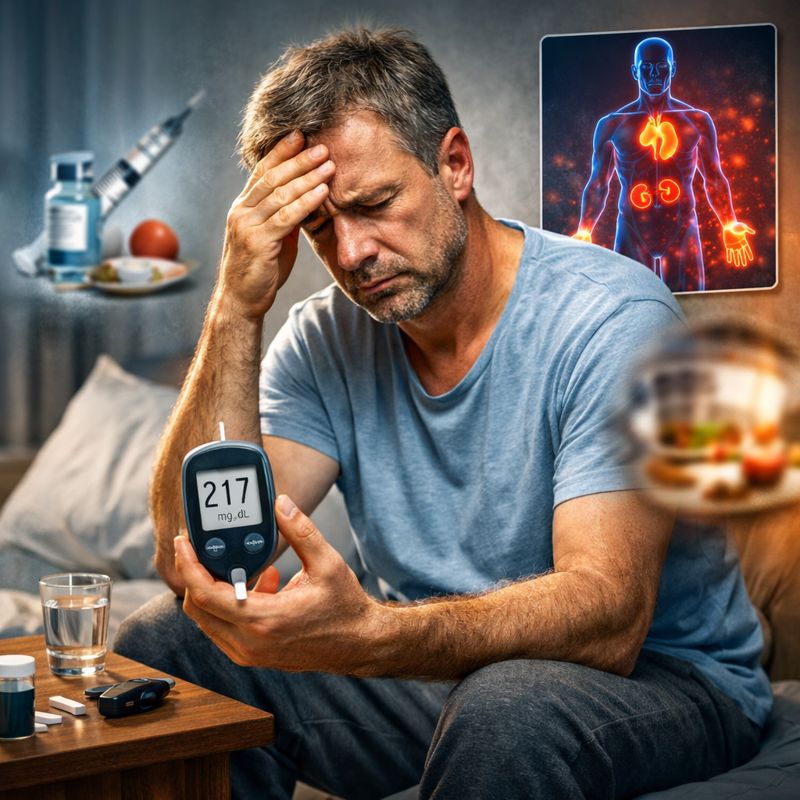
HbA1c Blood Test Symptoms Purpose Benefits and Result Meaning

HbA1c blood test symptoms and long term blood sugar monitoring

This Article focuses on HbA1c Blood Test Symptoms Who Needs It and How to Understand Your Results. HbA1c blood test has become one of the most important and widely used tests for identifying long term blood sugar imbalance. Many people associate blood sugar testing only with diabetes, but in reality, abnormal glucose levels begin affecting the body long before diabetes is diagnosed. The HbA1c test helps uncover these hidden changes by measuring average blood sugar levels over the past 8 to 12 weeks, offering a clear picture of metabolic health rather than a single moment in time.

Today more individuals are choosing HbA1c testing due to unexplained fatigue weight gain brain fog and persistent health issues that routine checks often fail to explain. This article explains the symptoms linked to abnormal HbA1c levels, who should consider testing, why this test matters, and how to understand your results correctly.

What Is the HbA1c blood test

HbA1c measures the percentage of glucose attached to hemoglobin in red blood cells. Since red blood cells typically live for around 3 months, the HbA1c result reflects long term blood sugar exposure rather than daily fluctuations. Unlike fasting glucose tests which can vary due to stress food or illness, HbA1c provides a stable and reliable measure of blood sugar control.

Because of this consistency, HbA1c is now widely used for early detection of prediabetes monitoring diabetes management and evaluating long term metabolic risk.

HbA1c blood test symptoms explained

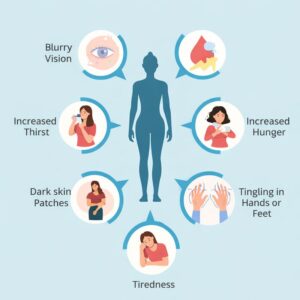
symptoms hba1c


Many symptoms linked to high or unstable blood sugar develop slowly and are often ignored or misattributed to lifestyle stress or aging. Recognizing these signs early can prevent progression toward more serious metabolic disease.

Constant Fatigue and Low Energy

Persistent tiredness even after adequate sleep is a common sign of impaired glucose utilization. When blood sugar remains elevated, cells struggle to absorb glucose efficiently, leading to reduced energy production. Individuals may experience daytime exhaustion reduced stamina and difficulty maintaining focus during routine tasks.

Brain Fog and Difficulty Concentrating

The brain relies heavily on glucose for proper function. Fluctuating blood sugar levels can disrupt cognitive processes, resulting in poor concentration memory lapses and mental fatigue. These symptoms are especially common in people with early insulin resistance who may not yet meet diagnostic thresholds for diabetes.

Increased Thirst and Frequent Urination

Elevated blood sugar causes excess glucose to spill into the urine, pulling water along with it. This leads to increased urination and persistent thirst. Many individuals dismiss this as normal hydration changes without realizing it may signal long term glucose imbalance.

Unexplained Weight Gain or Difficulty Losing Weight

Insulin resistance encourages fat storage particularly around the abdomen. Even with calorie control and physical activity, weight loss may feel unusually difficult. This symptom is commonly seen alongside fatty liver and metabolic slowdown, both of which are strongly linked to elevated HbA1c levels.

Increased Hunger and Sugar Cravings

Blood sugar instability often triggers frequent hunger and intense cravings, particularly for carbohydrates and sweets. Rapid rises and falls in glucose disrupt appetite regulation, making it difficult to maintain healthy eating patterns.

Slow Healing and Frequent Infections

Chronic elevation of blood sugar weakens immune response and slows tissue repair. Cuts bruises and wounds may take longer to heal, and infections may occur more frequently. These signs often appear before diabetes is formally diagnosed.

Tingling or Numbness in Hands and Feet

Prolonged exposure to elevated glucose can affect nerve health. Early symptoms include tingling numbness or burning sensations in the extremities. Detecting elevated HbA1c early helps reduce the risk of permanent nerve damage.

Mood Changes and Irritability

Blood sugar fluctuations influence neurotransmitter balance and stress hormones. Irritability anxiety and mood swings may have a metabolic component rather than being purely psychological. HbA1c testing helps identify whether blood sugar instability is contributing to emotional symptoms.

Who Should Get an HbA1c Blood Test Symptoms and Risk Factors

HbA1c testing is not limited to individuals already diagnosed with diabetes. It is increasingly used as a preventive screening tool.

People who should consider this test include individuals experiencing multiple symptoms listed above those with a family history of diabetes or metabolic disease people with fatty liver high body weight or sedentary lifestyle and individuals with a history of gestational diabetes. It is also suitable for health conscious adults who want to monitor long term blood sugar trends even in the absence of symptoms.

Check Our HbA1c blood test

Why the HbA1c Blood Test Is Important

The primary value of HbA1c testing lies in its ability to detect risk early. Many people remain in a prediabetic state for years without knowing it. During this time damage to blood vessels nerves and organs can slowly progress.

HbA1c testing allows individuals to identify blood sugar imbalance early implement dietary and lifestyle changes and monitor improvement over time. It also reduces reliance on guesswork by providing objective measurable data that supports informed health decisions.

Understanding HbA1c Test Results

HbA1c results are reported as a percentage that reflects average blood sugar levels over time.

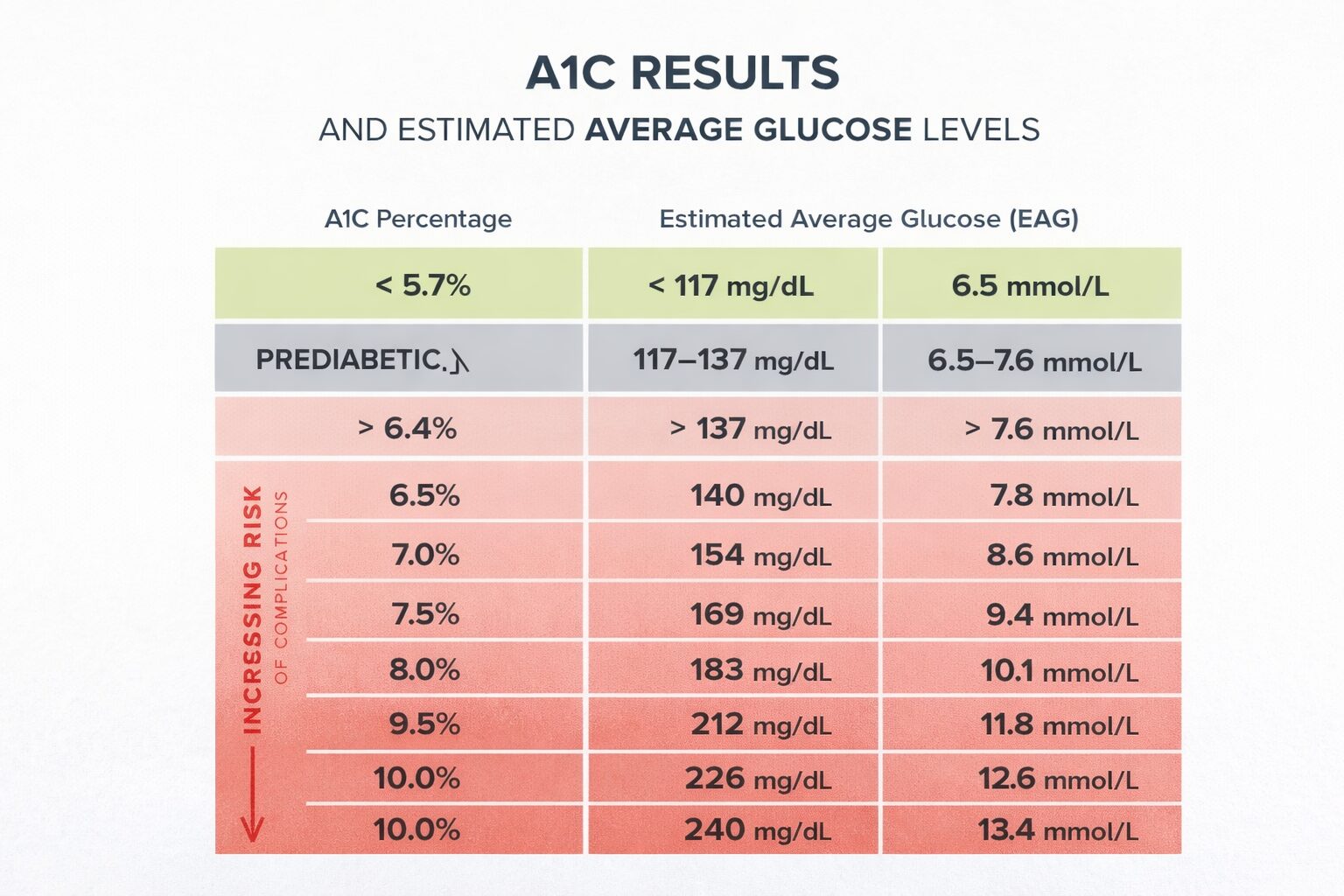
General interpretation guidelines include values below 5.7 percent indicating normal glucose control levels between 5.7 and 6.4 percent suggesting increased risk of developing diabetes and values of 6.5 percent or higher indicating diabetes range. Even values within the upper normal range may be significant when symptoms are present.

It is important to interpret results in context. Trends over time lifestyle factors and accompanying symptoms matter more than a single isolated reading. A healthcare professional can help interpret results accurately and recommend next steps.

How Often Should HbA1c Be Tested

Testing frequency depends on individual health goals and existing risk factors. For those managing diabetes testing every 3 months is commonly recommended. For individuals with borderline results or symptoms testing every 6 months may be appropriate. Routine annual testing may be sufficient for low risk individuals monitoring preventive health.

Lifestyle Factors That Influence HbA1c Levels

Several lifestyle factors directly impact HbA1c results. Diet high in refined carbohydrates lack of physical activity chronic stress poor sleep quality and excess body weight all contribute to elevated long term blood sugar levels. Because HbA1c reflects average exposure over months it is an excellent tool for measuring how lifestyle changes affect metabolic health.

Benefits of Symptom Based HbA1c Testing

Symptom based testing focuses on identifying the root cause rather than managing symptoms alone. By linking symptoms with measurable blood markers individuals can make targeted changes rather than relying on trial and error. Benefits include early detection personalized health planning improved energy and focus and reduced long term complication risk.

Frequently Asked Questions

Do I need to fast before an HbA1c blood test

No fasting is required for HbA1c testing because it measures long term blood sugar levels rather than immediate glucose.

Can symptoms appear before diabetes is diagnosed

Yes many symptoms appear during prediabetes when HbA1c levels are only mildly elevated.

How long does it take to improve HbA1c levels

Lifestyle changes can lead to measurable improvement within 8 to 12 weeks.

Can HbA1c testing replace daily glucose monitoring

HbA1c does not replace daily monitoring for people with diabetes but complements it by showing long term control.

Is HbA1c testing suitable for younger adults

Yes it is increasingly used by younger individuals for preventive metabolic health assessment.

Check our more information on Healthline

Final Thoughts

Persistent fatigue weight gain cravings and mental fog are not normal parts of life. They are often signals of underlying metabolic imbalance that deserves attention. The HbA1c blood test is one of the most reliable tools available for identifying long term blood sugar issues early and accurately.

By understanding symptoms recognizing who needs testing and interpreting results correctly individuals can take proactive steps toward better health. HbA1c testing supports prevention clarity and long term wellbeing when used as part of a comprehensive health strategy.

How Inflammation Ages You Faster (and What to Do About It)

Chronic inflammation accelerates ageing from the inside out — affecting skin, energy, and longevity. Discover how to identify inflammatory markers and support your body’s natural balance with Youth Revisited’s Inflammation & Anti-Ageing Panel.

The hidden force behind premature ageing

We often associate ageing with fine lines, slower metabolism, or low energy — but one of the most powerful drivers of these changes begins quietly: inflammation.

Inflammation is a natural and necessary response. It’s how the body heals and defends itself. But when it becomes chronic — simmering at a low level for years — it starts to erode the very systems it once protected. Scientists often call this process “inflamm-ageing.”

What chronic inflammation does to the body

At a cellular level, chronic inflammation accelerates the breakdown of collagen and elastin, leading to loss of skin firmness and resilience. It also contributes to oxidative stress — the imbalance between free radicals and antioxidants — which damages cells and speeds up ageing across the body.

Internally, it can:

  • Disrupt hormone balance

  • Impair energy metabolism

  • Affect the immune system’s ability to repair tissues

  • Influence brain health, mood, and sleep quality

The effects may be subtle at first — tiredness, slower recovery after exercise, or dull, reactive skin — but over time, these small signals add up.

Common triggers of low-grade inflammation

  1. Dietary imbalances – High sugar intake, processed foods, and trans fats are major culprits.

  2. Chronic stress – Elevated cortisol levels can keep the body in a constant “alert” state.

  3. Sleep deprivation – Inadequate rest prevents the body from repairing inflammatory damage.

  4. Environmental exposure – Pollution, UV radiation, and toxins can all trigger inflammatory pathways.

  5. Hidden infections or gut imbalance – Poor gut health is closely linked with systemic inflammation.

How testing helps uncover the root cause

Inflammation isn’t always visible — but it is measurable. Blood testing can identify key markers that reveal whether your body is experiencing chronic inflammatory stress.

The Youth Revisited Inflammation & Anti-Ageing Panel includes important biomarkers such as C-reactive protein (CRP) and homocysteine, which provide insight into systemic inflammation and cardiovascular ageing. Tracking these markers over time can show whether your lifestyle choices are helping or hindering your body’s repair processes.


Restoring balance through simple shifts

Once inflammation is identified, even small changes can make a profound difference:

  • Prioritising anti-inflammatory foods like berries, olive oil, and omega-3s

  • Managing stress through breathing, movement, and grounding techniques

  • Supporting gut health with fibre, hydration, and probiotic-rich foods

  • Ensuring restorative sleep and mindful recovery after exercise

These daily choices, combined with an understanding of your personal biomarkers, form the foundation of long-term vitality and graceful ageing.


In summary

Inflammation is one of the most powerful predictors of how well we age — yet it’s also one of the most manageable. By identifying it early and supporting your body’s natural balance, you can age with energy, clarity, and radiance from within.

💬
0
    0
    Your Cart
    Your cart is emptyReturn to Shop